
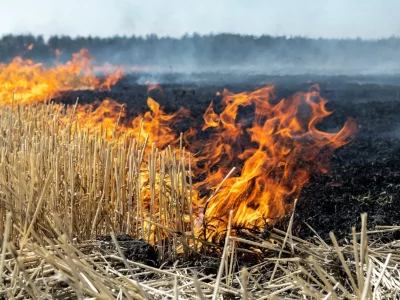
Dry grass burning temperature refers to the specific temperature at which dry grass ignites and starts to burn. This critical threshold plays a vital role in understanding fire behavior, wildfire spread, and the overall impact of grassland fires on the environment.
Dry grass can burn at a temperature of 300 degrees Celsius (572 degrees Fahrenheit). However, the exact burning temperature of dry grass will vary depending on a number of factors, including the type of grass, the moisture content of the grass, and the wind speed.
Grass fires are more likely to occur during dry, hot weather conditions. This is because dry grass is more flammable than wet grass. Grass fires can also be caused by lightning strikes, cigarettes, or other sources of ignition.
If you see a grass fire, it is important to call 911 immediately. Do not attempt to fight a grass fire yourself. Grass fires can spread quickly and can be very dangerous.
Ignition temperature of dry grass
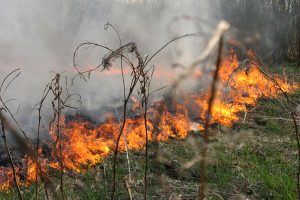
Dry grass typically has an ignition temperature range between 200 and 300 degrees Celsius (392 to 572 degrees Fahrenheit). It’s important to note that this range is an approximation and can be influenced by factors such as the specific composition of the grass, its moisture content, and environmental conditions.
Different types of grasses have varying chemical compositions, which can affect their ignition temperatures. Additionally, the moisture content of the grass plays a significant role. Dry grass with a lower moisture content is more susceptible to ignition and can have a lower ignition temperature compared to grass with higher moisture content.
External conditions such as humidity and airflow can also impact the ignition temperature of dry grass. Higher humidity levels can make it more challenging for grass to ignite, as moisture in the air can inhibit the combustion process. Conversely, dry and windy conditions can lower the ignition temperature by facilitating the removal of moisture from the grass, making it more susceptible to ignition.
It’s essential to remember that the ignition temperature is the minimum temperature required to initiate self-sustaining combustion without an external ignition source. In real-world scenarios, grass fires often start at temperatures significantly higher than the ignition temperature due to the presence of external ignition sources such as sparks, flames, or hot objects.
To prevent fires and ensure safety, it’s important to exercise caution in dry grassy areas, especially during hot and dry conditions. Avoid activities that can potentially ignite the grass, such as discarding lit cigarettes, using open flames, or operating machinery that produces sparks in grassy environments.
Additionally, following local fire safety guidelines and regulations can help minimize the risk of accidental fires.
Factors influencing grass combustion
Several factors can influence the combustion of grass. Here are some key factors:
- Moisture content: The moisture content of the grass plays a significant role in its combustibility. Dry grass is more prone to ignition and burns more readily than moist or green grass. Moisture acts as a cooling agent, making it harder for the grass to reach its ignition temperature.
- Fuel load: The amount of grass present in an area, also known as the fuel load, affects the intensity and duration of a grass fire. A higher fuel load means there is more material available to burn, potentially leading to a more intense and prolonged fire.
- Fuel arrangement: The arrangement or distribution of the grass can impact fire behavior. Grass that is densely packed or has a high volume of dead vegetation can facilitate the spread of fire, as flames can easily travel between the grass blades.
- Weather conditions: Weather conditions play a crucial role in grass combustion. Dry and hot conditions, low humidity, and strong winds can create a conducive environment for grass fires. Dry air and high temperatures can reduce the moisture content of the grass, making it more susceptible to ignition. Wind can accelerate the spread of fire by providing oxygen and carrying embers to ignite new areas.
- External ignition sources: Grass fires often start from external ignition sources, such as human activities (e.g., discarded cigarettes, campfires, fireworks) or natural causes (e.g., lightning strikes). These ignition sources provide the initial heat necessary to reach the grass’s ignition temperature and initiate the combustion process.
- Topography: The shape and slope of the land can influence the behavior of a grass fire. Steep slopes can accelerate the spread of fire as flames move uphill due to the preheating effect and the presence of additional fuel.
- Fire suppression efforts: Human intervention in the form of firefighting activities, such as water application or fire retardant chemicals, can influence the behavior and extent of a grass fire. Effective fire suppression can help control or extinguish the fire, while delayed or inadequate efforts can result in the fire spreading further.
It’s important to note that these factors often interact with each other, and their combined effects determine the behavior and severity of a grass fire. Understanding these factors is crucial for fire management and prevention efforts.
Fire risks associated with dry grass
Dry grass poses several fire risks, primarily due to its high flammability and ability to quickly ignite and spread fire. Here are some of the main fire risks associated with dry grass:
- Rapid ignition: Dry grass ignites more easily than moist or green vegetation. Even a small spark from a cigarette butt, a campfire ember, or a hot exhaust pipe can quickly ignite dry grass.
- Fast fire spread: Once ignited, dry grass fires can spread rapidly due to the availability of fuel and favorable weather conditions. The flames can move swiftly and travel across large areas, especially if driven by wind.
- Ember generation: Dry grass can produce a significant amount of embers when burning. These embers can be carried by wind and start new fires in nearby areas, including buildings, structures, or other dry vegetation.
- Fuel for larger fires: Dry grass serves as fine fuel that can contribute to the spread and intensity of larger fires. As the flames move through the grass, they can generate enough heat to ignite nearby trees, shrubs, or structures.
- Difficult fire suppression: Dry grass fires can be challenging to extinguish due to their fast-spreading nature and the potential for ember showers. Firefighters may need specialized equipment, such as brush trucks or aircraft, to effectively combat these fires.
- Seasonal variations: Fire risks associated with dry grass can be more prevalent during specific seasons when moisture levels are lower, such as summer or periods of drought. In these conditions, dry grass becomes particularly susceptible to ignition and can act as a catalyst for larger wildfires.
To minimize fire risks associated with dry grass, it is important to practice fire safety measures such as:
- Regularly mowing and maintaining grass to reduce its height and dryness.
- Clearing dry grass and other flammable debris from around buildings, fences, and other structures.
- Keeping a safe distance between open flames (campfires, barbecues, etc.) and dry grass areas.
- Extinguishing cigarettes and other smoking materials in designated areas and not throwing them on the ground.
- Following local regulations and restrictions regarding outdoor burning and fireworks during periods of high fire danger.
- Being vigilant and reporting any signs of fire or smoke to the appropriate authorities immediately.
Remember, preventing fires and ensuring safety is a shared responsibility, and everyone should do their part to minimize fire risks in dry grass areas.
Environmental conditions conducive to grass fires
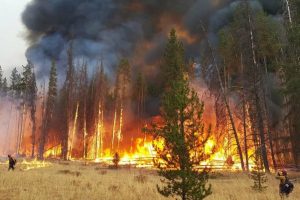
Grass fires are more likely to occur under certain environmental conditions that create a favorable environment for ignition and rapid spread. Here are some environmental conditions conducive to grass fires:
- Drought: Extended periods of dry weather and lack of precipitation reduce the moisture content in grass and vegetation, making them more susceptible to ignition and rapid fire spread. Drought conditions create a higher fire risk as the grass becomes dry and highly flammable.
- Low humidity: Low relative humidity levels can cause vegetation, including grass, to dry out more quickly. When the humidity is low, the moisture in the grass evaporates rapidly, increasing its flammability. Low humidity also makes it easier for fires to ignite and spread.
- High temperatures: Hot weather and high ambient temperatures can contribute to the drying out of grass. High temperatures increase the likelihood of ignition sources, such as sparks or flames, igniting the dry grass. Additionally, the heat can create convection currents that promote fire spread.
- Strong winds: Strong winds can quickly spread grass fires by carrying burning embers or fanning the flames. Windy conditions accelerate the rate at which fire spreads, making it more difficult to control and extinguish. Wind can also increase the likelihood of ember showers, which can start new fires ahead of the main fire front.
- Accumulated dead vegetation: If dry grass is present along with an accumulation of dead plant material, such as fallen leaves, twigs, or brush, the fire risk increases. This additional fuel load provides more material for the fire to consume and can intensify the flames, leading to a more severe grass fire.
- Slope or topography: Grass fires tend to spread more rapidly on slopes or hilly terrain. The slope can help accelerate the fire by allowing flames to move uphill more quickly. In some cases, the increased intensity of the fire due to the slope can also generate stronger convection currents, leading to faster fire spread.
It’s important to note that these environmental conditions can vary depending on the region and climate. Understanding the local weather patterns and being aware of any fire weather warnings or advisories issued by authorities is crucial for preventing and responding to grass fires effectively.
Effects of temperature and humidity on grass ignition
The ignition of grass is influenced by various factors, including temperature and humidity. Let’s explore the effects of these two variables on grass ignition:
Temperature:
-
- Grass ignition is more likely to occur at higher temperatures. As the temperature increases, the grass dries out more quickly, reducing its moisture content. Dry grass is more susceptible to ignition.
- The exact temperature at which grass ignites can vary depending on factors such as grass species, moisture content, and external heat sources (e.g., flames, sparks). However, it’s generally accepted that grass can start to ignite at temperatures above approximately 300 to 400 degrees Celsius (572 to 752 degrees Fahrenheit).
Humidity:
-
- Humidity refers to the amount of moisture present in the air. High humidity levels can inhibit grass ignition, as moisture slows down the drying process and makes the grass less prone to catching fire.
- When humidity is low, the moisture content of grass decreases rapidly. Dry grass is more likely to ignite and burn quickly.
- Relative humidity is an important factor to consider. It represents the amount of moisture in the air relative to the maximum amount the air could hold at a given temperature. Lower relative humidity values indicate drier air, which can contribute to grass ignition.
It’s worth noting that temperature and humidity alone may not directly cause grass ignition. Ignition usually requires an ignition source, such as an open flame, spark, or intense heat. However, temperature and humidity levels can affect the flammability of grass and influence the ease with which it ignites.
Additionally, other factors like wind speed, fuel load (amount of grass present), and the presence of flammable materials can also impact grass ignition. It’s essential to consider the interplay of these variables when assessing the risk of grass fires.
Fire spread and behavior in dry grasslands
In dry grassland environments, fire spread and behavior can be influenced by various factors. Here are some key considerations:
- Fuel Load: The amount and continuity of fuel, which refers to the vegetation available to burn, play a crucial role in fire spread. Dry grasslands with high fuel loads provide ample material for the fire to propagate rapidly.
- Weather Conditions: Weather conditions, especially wind speed and direction, can significantly affect fire behavior. Strong winds can accelerate the spread of fire by carrying embers and igniting new areas ahead of the fire front. Wind can also influence fire direction, making it more challenging to predict and control.
- Fuel Moisture Content: Dry grasslands are characterized by low fuel moisture content. The moisture content of the vegetation affects its flammability. Lower moisture content leads to increased flammability and faster fire spread.
- Topography: The shape and slope of the land can impact fire behavior. Steep slopes can cause fires to burn more quickly as the hot air rises, drawing in fresh oxygen and fueling the fire. Additionally, canyons and narrow valleys can funnel winds, intensifying fire spread.
- Fire Intensity: The intensity of the fire, determined by factors such as fuel load, weather conditions, and topography, affects the rate and pattern of fire spread. High-intensity fires in dry grasslands can produce long flame lengths and generate embers that can be carried by the wind, resulting in spot fires igniting new areas.
- Fire Management Practices: Fire management strategies, including prescribed burns and fire suppression efforts, can influence fire behavior. Controlled prescribed burns, conducted under favorable conditions, can reduce fuel loads, break up continuity, and decrease the risk of uncontrolled wildfires. On the other hand, fire suppression efforts may lead to an accumulation of fuel over time, increasing the potential for more severe fires.
- Fire Adapted Ecosystems: Some grassland ecosystems have adapted to fire over time. Certain grass species have evolved to withstand fire and may even benefit from it, promoting their growth and suppressing the growth of competing vegetation. Fire-adapted ecosystems tend to have fire-resistant or fire-promoting species.
Understanding these factors is essential for fire management and mitigation strategies in dry grasslands. By considering fuel load, weather conditions, topography, and fire behavior, land managers can implement appropriate measures to minimize the risk of uncontrolled wildfires and maintain the ecological health of grassland ecosystems.
Grassland fire prevention strategies
Preventing grassland fires is crucial for protecting lives, property, and ecosystems. Here are some strategies for grassland fire prevention:
- Education and Awareness: Promote public education and awareness campaigns to inform communities living near or within grassland areas about the risks and consequences of grassland fires. Educate individuals about fire safety, responsible land management practices, and the importance of reporting potential fire hazards.
- Fire Permits and Regulations: Implement fire permits and regulations that outline restrictions and guidelines for outdoor burning activities, including agricultural practices, debris burning, and campfires. Ensure that permits are issued based on weather and environmental conditions to minimize the risk of fire spread.
- Controlled Burning (Prescribed Burns): Conduct controlled burns, also known as prescribed burns, during favorable weather conditions. Prescribed burns help reduce fuel loads, break up continuous vegetation, and promote healthy grassland ecosystems by removing accumulated thatch and invasive species.
- Fuel Management: Implement fuel management practices, such as mowing, grazing, or targeted herbicide use, to reduce the amount of dead vegetation (fuel) available for ignition. By managing fuel loads, you can decrease the intensity and spread of fires in grassland areas.
- Firebreaks: Create and maintain firebreaks, which are areas devoid of flammable vegetation, along the edges of grassland areas or around structures. Firebreaks can help slow down or redirect the spread of fires, providing opportunities for fire suppression activities.
- Early Detection Systems: Install and maintain early detection systems, such as fire lookout towers, cameras, and automated fire detection technologies. These systems can detect and report fires in their early stages, enabling a prompt response and minimizing the potential for fire growth.
- Community Collaboration: Foster partnerships between landowners, land managers, fire departments, and community organizations to develop grassland fire prevention and response plans. Encourage community involvement in fire safety initiatives, including volunteer firefighting, community fire drills, and neighborhood watch programs.
- Firewise Landscaping: Encourage the use of fire-resistant landscaping practices in areas adjacent to grasslands. This includes selecting fire-resistant plant species, creating defensible spaces around structures, and maintaining proper spacing between vegetation to reduce the risk of fire spread.
- Fire Risk Assessments: Conduct regular fire risk assessments to identify high-risk areas and prioritize prevention efforts. Assessments should consider factors such as fuel loads, weather patterns, topography, and proximity to vulnerable areas like residential developments or critical infrastructure.
- Fire Incident Response Planning: Develop and regularly update fire incident response plans that outline procedures for reporting fires, mobilizing firefighting resources, and coordinating efforts among relevant agencies. Ensure that response plans are communicated effectively to stakeholders and emergency responders.
Remember that grassland fire prevention requires a collaborative and proactive approach involving community engagement, responsible land management, and effective fire management strategies.
Early detection and reporting of grass fires
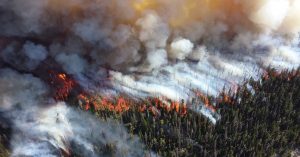
Early detection and prompt reporting of grass fires are essential for initiating a rapid response and minimizing the potential damage caused by the fire. Here are some strategies for early detection and reporting of grass fires:
- Fire Detection Systems: Implement fire detection systems such as fire lookout towers, cameras, and satellite-based monitoring systems. These systems can detect smoke, flames, or unusual heat signatures and provide real-time alerts to fire management agencies or local authorities.
- Public Awareness: Educate the public about the importance of reporting any signs of fire or smoke in grassland areas. Encourage individuals to report fires immediately to emergency services, fire departments, or designated reporting hotlines. Provide clear instructions on what information to include in the report, such as the location, size, and observed behavior of the fire.
- Community Fire Reporting Networks: Establish community-based fire reporting networks that involve local residents, landowners, and businesses. Encourage community members to be vigilant and report any signs of fire promptly. This can be done through phone hotlines, mobile applications, or online platforms designed for fire reporting.
- Fire Lookouts and Patrols: Assign trained personnel to fire lookout towers or conduct regular fire patrols in high-risk areas. Lookouts and patrols can visually scan the landscape for signs of smoke or fire and immediately report their observations to fire management agencies.
- Collaboration with Aviation Resources: Collaborate with aviation resources, such as helicopters or drones, equipped with fire detection and monitoring capabilities. These resources can conduct aerial surveillance of grassland areas to detect fires and provide real-time information to ground teams.
- Utilize Weather Monitoring: Integrate weather monitoring systems into fire detection efforts. Weather conditions, such as high temperatures, low humidity, and strong winds, can increase the risk of grass fires. Monitoring weather parameters and fire weather indices can help identify periods of heightened fire danger.
- Public-Private Partnerships: Establish partnerships with private entities, such as utility companies or landowners, who may have monitoring systems in place. These entities can contribute to early fire detection efforts and provide timely reports to the appropriate authorities.
- Training and Awareness Programs: Conduct training programs for firefighters, emergency responders, and community members to enhance their awareness and skills in early fire detection. Teach individuals how to identify signs of fire, interpret smoke behavior, and report incidents accurately.
- Mobile Applications and Technology: Develop and promote mobile applications or web-based platforms that allow users to report fires easily. These applications can provide geolocation features, enabling users to pinpoint the exact location of the fire and share real-time updates.
- Swift Communication and Coordination: Establish efficient communication channels and protocols between fire management agencies, emergency services, and other relevant stakeholders. Ensure that information flows quickly and effectively to facilitate a prompt response to reported fires.
By implementing these strategies, early detection and reporting of grass fires can be improved, enabling a rapid response and enhancing the chances of successful fire suppression and containment.
Firefighting techniques for grassland fires
Firefighting techniques for grassland fires involve a combination of strategies aimed at controlling and suppressing the fire. Here are some key techniques used in fighting grassland fires:
- Rapid Response: Time is critical in combating grassland fires. Firefighters and emergency responders must respond promptly to the reported fire, mobilizing resources and equipment to the affected area.
- Establish Incident Command: Establish an incident command structure to manage the firefighting operation effectively. This involves designating an Incident Commander who oversees the overall response and delegates tasks to various firefighting units.
- Firebreaks and Control Lines: Construct firebreaks and control lines around the perimeter of the fire. Firebreaks are cleared areas that remove vegetation and act as barriers to slow down or halt the spread of the fire. Control lines are created by removing or reducing fuel in the path of the fire.
- Backburning: Backburning involves deliberately starting smaller, controlled fires ahead of the main fire to remove fuel and create a barrier that stops the advancing flames. Backburning can help contain and control the fire’s spread by consuming fuel in its path.
- Direct Attack: Firefighters can employ direct attack techniques, where they approach the fire’s edge and directly apply water or fire retardant to extinguish the flames. This method is effective when the fire is small and manageable.
- Water and Retardant Drops: Utilize aerial resources, such as helicopters or fixed-wing aircraft, to perform water or fire retardant drops. These drops can be targeted at the fire’s leading edge or critical areas to slow down its progression and aid ground crews.
- Hose Lines and Sprinklers: Deploy hose lines and sprinkler systems to apply water directly onto the fire or create a wet buffer zone in front of the advancing flames. This helps to cool the fire, reduce its intensity, and create a barrier for containment.
- Firefighters on Foot: Ground crews, equipped with firefighting tools like fire rakes, shovels, and backpack water pumps, work directly at the fire’s edge. They extinguish flames, dig firebreaks, and mop up hotspots to prevent re-ignition.
- Helitorches: Helitorches are devices attached to helicopters that dispense ignited fuel or flares, creating a controlled fire in the desired direction. This technique can be used to reinforce control lines or conduct burnouts to remove unburned fuel within the containment area.
- Mop-up and Patrol: After the fire is contained, firefighters engage in mop-up operations. They extinguish any remaining hotspots and ensure that the fire perimeter is secure. Patrol the area to detect and suppress any flare-ups or spot fires that may occur.
It’s important to note that grassland firefighting techniques can vary depending on factors such as fire behavior, weather conditions, available resources, and terrain. Firefighters undergo extensive training to adapt their strategies based on the specific circumstances of each grassland fire.
Community awareness and education for grass fire prevention
Community awareness and education are crucial components of grass fire prevention efforts. By informing and engaging community members, you can foster a sense of shared responsibility and empower individuals to take proactive measures to prevent grass fires.
Here are some key aspects of community awareness and education for grass fire prevention:
- Public Outreach Campaigns: Launch public outreach campaigns to raise awareness about the causes and risks of grass fires. Utilize various communication channels, such as local media, social media platforms, community meetings, and newsletters, to disseminate information effectively.
- Fire Safety Education: Provide educational materials and programs that focus on fire safety practices. This includes teaching community members about safe outdoor activities, proper use and disposal of fire-related equipment (e.g., barbecues, fireworks), and the importance of adhering to local fire regulations and restrictions.
- Property Preparedness: Educate community members about the importance of property preparedness to minimize the risk of grass fires spreading to homes and structures. Provide guidance on creating defensible spaces, maintaining fire-resistant landscaping, and implementing fire-safe construction practices.
- Firewise Communities: Encourage community members to participate in Firewise Communities programs, which promote wildfire resilience at the neighborhood level. These programs provide guidance on community assessments, planning, and implementation of wildfire mitigation strategies.
- Volunteer Firefighting Programs: Establish or support volunteer firefighting programs within the community. Offer training opportunities to community members interested in becoming volunteer firefighters or assisting with fire prevention and response efforts.
- Fire Drills and Exercises: Conduct regular fire drills and exercises to ensure that community members are familiar with emergency protocols and evacuation procedures. Practice scenarios that simulate grass fires to enhance preparedness and response capabilities.
- Reporting and Early Detection: Emphasize the importance of reporting any signs of fire or smoke immediately to emergency services or relevant authorities. Educate community members on how to provide accurate and detailed information when reporting fires, including the fire’s location, size, and observed behavior.
- Collaboration with Local Agencies: Foster collaboration between community members, local fire departments, and other relevant agencies. Encourage regular communication, partnership building, and the sharing of resources and expertise.
- School and Youth Programs: Integrate fire prevention and safety education into school curricula and youth programs. Teach students about the dangers of grass fires, fire safety practices, and the role they can play in preventing fires within their communities.
- Demonstrations and Workshops: Organize demonstrations and workshops on topics such as fire extinguisher use, proper campfire management, and the safe handling of flammable materials. Engage local experts, firefighters, and fire management personnel to deliver these educational sessions.
Remember to tailor community awareness and education efforts to the specific needs and characteristics of your community. By empowering community members with knowledge and skills, you can create a culture of fire prevention and build a more resilient and fire-safe community.
Conclusion
Understanding the dry grass burning temperature is vital for fire prevention and management in grassland environments. Dry grass has a low ignition temperature, typically ranging from approximately 200 to 300 degrees Celsius (392 to 572 degrees Fahrenheit).
This low ignition temperature, combined with other factors such as fuel load, weather conditions, and topography, increases the risk of grass fires and their potential for rapid spread. By recognizing the critical role temperature plays in grassland fire behavior, appropriate measures can be taken to mitigate the risk of ignition and minimize the impact of dry grassland fires.