
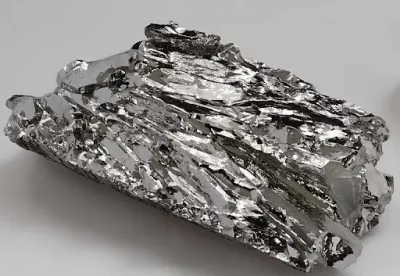
Is tungsten bulletproof? This question has intrigued scientists, engineers, and military enthusiasts for years. Tungsten, a dense and incredibly durable metal, has garnered a reputation for its exceptional strength and resistance to extreme conditions.
In this article, we will delve into the properties of tungsten and its potential applications in bulletproof armor and other protective gear. From its remarkable density to its ability to withstand high-velocity projectiles, we will uncover the intriguing world of tungsten and its role in the pursuit of creating truly impenetrable defenses. So, is tungsten bulletproof? Let’s find out.
Is tungsten used for bulletproof applications?
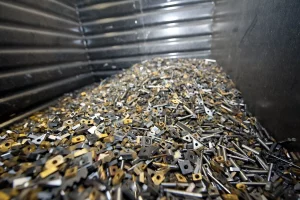
Tungsten is not typically used for bulletproof applications on its own, but it can be a component of certain bulletproof materials or armor-piercing projectiles. Tungsten is a dense and hard metal, which makes it valuable in applications where penetration resistance is required.
In bulletproof armor, tungsten may be incorporated into composite materials or alloys to enhance the armor’s density and hardness. However, it is more common to use materials like ceramic plates, steel, or specialized synthetic fibers (e.g., Kevlar) in conjunction with other materials to create effective bulletproof vests and armor.
Tungsten is more commonly associated with armor-piercing projectiles, where it is used as the core or penetrator. Tungsten alloys are extremely dense and can maintain their structural integrity even when subjected to high velocities and pressures, making them effective for penetrating armored targets.
Keep in mind that the specific materials and technologies used for bulletproof applications can vary depending on the level of protection required and the intended use, and they often involve combinations of different materials to provide optimal performance.
Can tungsten withstand bullets effectively?
Tungsten is a very dense and hard metal, which gives it the potential to withstand bullets effectively, but its effectiveness in this regard depends on various factors such as the type of bullet, the velocity of the bullet, and the thickness and composition of the tungsten material. Tungsten alone is not typically used as a standalone material for bulletproof applications because it has limitations.
While tungsten is very dense and can resist penetration to some extent, it may not be as effective as other materials like steel or ceramic plates for stopping bullets, especially high-velocity or armor-piercing bullets. Tungsten is often used as a core or penetrator in armor-piercing ammunition because of its ability to maintain its shape and penetrate armored targets effectively.
For body armor or vehicle armor, tungsten may be incorporated into composite materials or alloys to enhance their density and hardness, but it is usually used in conjunction with other materials like ceramic, steel, or specialized fibers to provide effective protection against bullets.
Is tungsten considered a bulletproof material?
Tungsten is not typically considered a bulletproof material on its own, but it is often used as a component in armor and bulletproof systems due to its exceptional hardness and density. Tungsten has one of the highest melting points of all elements and is extremely dense, which makes it effective at stopping or slowing down projectiles, including bullets.
In armor applications, tungsten is often used as a component in composite materials or alloys to enhance their ballistic resistance. For example:
- Tungsten alloys: Tungsten alloys, such as tungsten-nickel-iron or tungsten-nickel-copper, are used in the production of armor-piercing projectiles and armor plates. These alloys combine the high density and hardness of tungsten with other metals to create materials that can withstand bullets and other high-velocity projectiles.
- Ceramic armor with tungsten backing: In some armor designs, ceramic plates are backed with tungsten to provide additional protection against bullets. The ceramic material helps dissipate the energy of the bullet, while the tungsten backing helps prevent penetration.
- Penetrators: Tungsten is often used as a penetrator in armor-piercing ammunition due to its ability to pierce through hardened targets.
While tungsten can enhance the protective capabilities of armor and make it more effective against bullets and projectiles, it is rarely used as a standalone bulletproof material.
Modern bulletproof materials often consist of multiple layers of various materials, such as ceramics, aramid fibers (e.g., Kevlar), and metallic components like tungsten, to provide comprehensive protection against different types of threats.
Does tungsten provide ballistic protection?
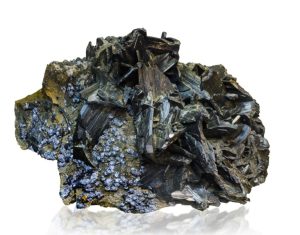
Yes, tungsten can provide ballistic protection when used as a component in armor and protective systems. Tungsten’s high density and hardness make it effective at stopping or slowing down projectiles, including bullets.
However, it is important to note that tungsten is typically used as part of a composite or layered armor system rather than as a standalone material for ballistic protection.
Here are some ways in which tungsten can contribute to ballistic protection:
- Armor Plates: Tungsten is often incorporated into armor plates and inserts to increase their resistance to penetration by bullets and projectiles. These plates are typically part of body armor worn by military and law enforcement personnel. Tungsten’s high density helps absorb and dissipate the kinetic energy of incoming projectiles.
- Backing Material: Tungsten can be used as a backing material behind ceramic or composite armor plates. In this configuration, the ceramic material absorbs and spreads the impact energy of a bullet, while the tungsten backing helps prevent penetration.
- Penetrators: Tungsten is used in armor-piercing ammunition as the penetrator component. In this application, the tungsten penetrator is designed to punch through armored targets.
While tungsten contributes to ballistic protection, it is often combined with other materials like ceramics, aramid fibers (e.g., Kevlar), and metals to create effective armor systems that provide comprehensive protection against various threats. The specific design and composition of ballistic protection systems can vary depending on the intended use and level of protection required.
Is tungsten used in bullet-resistant vests?
Tungsten is not typically used in the construction of bullet-resistant vests or body armor. Bullet-resistant vests, also known as ballistic vests or body armor, are designed to protect individuals from handgun and rifle bullets, as well as other ballistic threats, and they are made from specific materials optimized for this purpose.
The most common materials used in bullet-resistant vests are:
- Aramid fibers (e.g., Kevlar): Aramid fibers are lightweight, flexible, and highly effective at stopping handgun bullets. They are commonly used in soft body armor, which is designed to be worn discreetly under clothing.
- UHMWPE (Ultra-High-Molecular-Weight Polyethylene): This synthetic material is even lighter than aramid fibers and is used in some modern soft body armor designs.
- Ceramic plates: For protection against rifle bullets and armor-piercing threats, ceramic plates are often used in conjunction with soft body armor. These plates are designed to shatter and dissipate the energy of incoming projectiles.
While tungsten is dense and has high hardness, it is not a common choice for body armor because it is heavy and lacks the flexibility and comfort required for wearable protection. Tungsten is more commonly used in the construction of armor plates, vehicle armor, and other specialized applications where weight and bulk are less critical.
Bullet-resistant vests are carefully designed to balance protection, comfort, and mobility for the wearer, and they typically rely on the materials mentioned above rather than tungsten to achieve their ballistic resistance properties.
Is tungsten used in armored vehicles?
Yes, tungsten is used in the construction of armored vehicles, but its use is typically as a component in composite armor rather than as the primary armor material. Tungsten’s high density and hardness make it valuable in enhancing the ballistic protection of armored vehicles against various threats, including bullets, artillery shells, and improvised explosive devices (IEDs).
Here’s how tungsten is commonly used in armored vehicles:
- Composite Armor: Armored vehicles often feature composite armor systems that consist of layers of different materials. Tungsten may be used in combination with other materials like steel, ceramics, and composite materials to create a multi-layered armor system. The specific composition and configuration of the armor depend on the level of protection required and the anticipated threats.
- Spall Liners: Tungsten is sometimes used in the production of spall liners, which are inner layers of armor designed to capture and contain fragments and spall produced when the outer armor is struck by projectiles. This helps protect the vehicle’s occupants from secondary shrapnel.
- Armor-Piercing Protection: Tungsten may be used as part of an armored vehicle’s protection against armor-piercing projectiles. It can be used in the construction of armor plates, especially for areas with higher vulnerability to these types of threats.
- Ballistic Cockpits: Armored vehicles used for military and security purposes, such as armored personnel carriers and tactical vehicles, may have tungsten-reinforced cockpits to protect occupants from small arms fire.
It’s important to note that the design and composition of armored vehicles can vary significantly depending on their intended use, level of protection required, and the specific threats they may encounter. Tungsten is just one of the materials that can be incorporated into the armor systems of these vehicles to enhance their survivability.
Does tungsten offer bulletproof properties?
Tungsten does have certain properties that make it useful for enhancing bulletproof or ballistic protection, but it is not typically used as a standalone bulletproof material. Instead, tungsten is often incorporated into composite armor systems to improve their ballistic resistance.
Here are some properties of tungsten that make it valuable in bulletproof applications:
- High Density: Tungsten is one of the densest naturally occurring elements. Its high density helps absorb and dissipate the kinetic energy of incoming projectiles, reducing their penetration potential.
- High Hardness: Tungsten is extremely hard, which can help it resist deformation and penetration by bullets and other projectiles.
- High Melting Point: Tungsten has one of the highest melting points of all elements, making it suitable for use in applications where it may be exposed to extreme heat, such as during a ballistic impact.
While tungsten can contribute to bulletproof properties, it is usually combined with other materials in layered or composite armor systems. These systems may include materials like ceramics, aramid fibers (e.g., Kevlar), metals, and polymers to create effective protection against a range of ballistic threats.
The specific design and composition of bulletproof or ballistic protection systems can vary depending on the intended use and the level of protection required.
Can tungsten be utilized in military armor?
Tungsten is a very dense and hard metal, and it has several properties that make it useful in certain military applications, including armor. However, tungsten is typically not used on its own for military armor but is often incorporated into composite materials or alloys to enhance their performance.
Here are some ways in which tungsten can be utilized in military armor:
- Penetrator Cores: Tungsten alloys are sometimes used as penetrator cores in armor-piercing projectiles and ammunition. Due to its high density and hardness, tungsten can help penetrate armored targets more effectively.
- Composite Armor: Tungsten can be integrated into composite armor materials, along with other materials like ceramics, to create armor that offers a combination of hardness, density, and toughness. This type of armor is designed to resist penetration by armor-piercing projectiles.
- Reactive Armor: Reactive armor is designed to counter incoming projectiles by detonating when struck. Tungsten or tungsten alloys can be used as part of the reactive elements in such armor to enhance the overall protective capability.
- Vehicle Armor: Tungsten can be incorporated into the armor of military vehicles, such as tanks and armored personnel carriers, to increase their protection against various threats, including armor-piercing projectiles and improvised explosive devices (IEDs).
- Personal Armor: While not as common as other materials like ceramics and aramid fibers, tungsten has been used in certain types of personal body armor to provide additional protection against high-velocity projectiles.
It’s important to note that the choice of materials for military armor depends on various factors, including the specific threat environment, weight constraints, cost considerations, and the desired level of protection.
Tungsten is just one of many materials that may be considered in the design of military armor systems, and its use is often in combination with other materials to optimize performance. Additionally, research and development in armor technology are ongoing, so new materials and designs may continue to emerge over time.
Is tungsten armor used by law enforcement?
Tungsten armor is not typically used by law enforcement agencies for personal protective gear like body armor. Law enforcement officers typically rely on body armor made from materials like Kevlar, Dyneema, or other synthetic fibers, which are lightweight, flexible, and provide effective protection against handgun and some rifle threats.
These materials are chosen because they strike a balance between protection, comfort, and mobility, which are crucial for law enforcement personnel in the field.
Tungsten is a very dense and heavy metal, which makes it impractical for use in personal body armor for law enforcement officers. It would significantly impede an officer’s mobility and comfort due to its weight. Furthermore, tungsten is better suited for armor-piercing purposes rather than personal protection, and its use in body armor is limited.
Law enforcement agencies may utilize tungsten or tungsten alloys in other applications, such as breaching tools or specialized equipment designed for specific tactical purposes. Still, it is not a standard material for the personal protective gear worn by law enforcement officers.
Recommended:
- How Hot Does a Gas Stove Get?
- Is kevlar bulletproof? Find out!
- Kingford charcoal burning temperature
Conclusion
If you need answers to the question is tungsten bulletproof, then we have got you covered. Tungsten is not inherently bulletproof, but it is a dense and hard metal that can be used effectively in military armor and armor-piercing projectiles when incorporated into composite materials or alloys. However, it is not typically used for personal body armor due to its weight and impracticality for that purpose.