
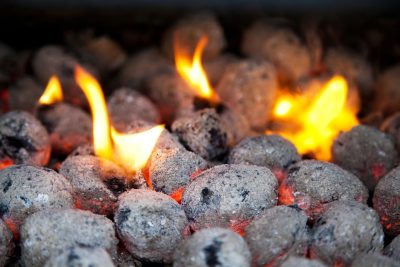
Kingford charcoal burning temperature is a key factor that influences the art and science of outdoor cooking. Whether you’re a backyard grilling enthusiast or a seasoned barbecue pitmaster, understanding the intricacies of Kingford charcoal’s burning temperature can significantly impact the outcome of your culinary endeavors.
As one of the most popular choices for charcoal grilling and smoking, Kingford charcoal’s unique burning characteristics play a crucial role in achieving that perfect sear on a steak, imparting mouthwatering smokiness to ribs, or infusing your dishes with a delectable flavor profile.
In this article, we delve into the nuances of Kingford charcoal burning temperature, unraveling the mysteries behind its performance and its role in elevating the art of outdoor cooking.
Optimal burning temp for Kingford charcoal
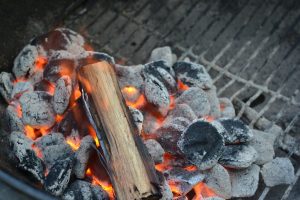
The optimal burning temperature for Kingsford charcoal is 225-250 degrees Fahrenheit. This temperature range is ideal for grilling most foods, as it will cook them evenly without burning them. If you are grilling thicker cuts of meat, you may want to increase the temperature to 275-300 degrees Fahrenheit. However, be careful not to exceed this temperature, as it can cause the meat to dry out.
To achieve the optimal burning temperature for Kingsford charcoal, you will need to light the charcoal in a chimney starter. Once the charcoal is lit, let it burn for 15-20 minutes until it is covered in ash. Then, spread the charcoal out evenly in your grill and place your food on the grate.
Here are some tips for grilling with Kingsford charcoal:
- Use a chimney starter to light the charcoal. This will help you achieve the optimal burning temperature more quickly and evenly.
- Let the charcoal burn for 15-20 minutes until it is covered in ash. This will help to prevent flare-ups.
- Spread the charcoal out evenly in your grill. This will help to ensure that your food cooks evenly.
- Place your food on the grate. Be sure to leave enough space between the pieces of food so that they can cook evenly.
- Close the lid of your grill. This will help to trap heat and smoke, which will help to cook your food more evenly.
- Check your food frequently. Be sure to turn it over and adjust the heat as needed.
- Let your food rest for a few minutes before slicing or serving. This will help the juices to redistribute throughout the meat.
Kingford vs. other brands: Temp comparison
When it comes to charcoal for outdoor cooking, the burning temperature is a critical aspect that can differentiate one brand from another. Kingford charcoal, a popular choice among grilling enthusiasts, possesses distinctive burning properties that set it apart from other brands. A comparison of Kingford’s burning temperature against those of other charcoal brands reveals the nuances that can influence your grilling and smoking experiences.
While Kingford charcoal is renowned for its consistent and moderate burning temperature, some other brands emphasize higher temperatures for quicker searing and cooking. These brands might be preferred when aiming to achieve a perfect char on steaks or impart a smoky intensity to grilled vegetables in a shorter time frame.
On the other hand, Kingford charcoal’s slightly lower and more even burning temperature lends itself well to long, slow cooking sessions that are ideal for smoking meats. Its steady heat output allows for a gradual and controlled infusion of flavors, making it a favorite among barbecue enthusiasts who relish the art of low-and-slow cooking.
The choice between Kingford and other brands ultimately hinges on your culinary preferences and cooking style. Whether you prioritize rapid high-temperature grilling or indulging in the patient craft of slow smoking, understanding the temperature distinctions among charcoal brands empowers you to master the art of outdoor cooking and create dishes that tantalize the taste buds with every bite.
Factors affecting Kingford charcoal’s burn temp
Several factors can influence the burning temperature of Kingford charcoal and other types of charcoal. These factors can impact how hot the charcoal burns and how long it maintains its temperature. Understanding these variables can help you achieve precise control over your cooking and grilling processes. Here are some key factors that affect Kingford charcoal’s burn temperature:
- Charcoal Composition: The blend and composition of materials used in making Kingford charcoal can significantly impact its burning temperature. Different types of wood, binders, and additives can influence how the charcoal ignites, burns, and produces heat.
- Charcoal Density: The density of the charcoal briquettes affects how tightly they are packed. Higher-density briquettes may burn hotter and longer compared to lower-density ones.
- Airflow and Ventilation: Proper airflow and ventilation are essential for charcoal combustion. Oxygen is required for the charcoal to burn efficiently. Adjusting the vents on your grill or smoker can influence the amount of air reaching the charcoal and, consequently, its burning temperature.
- Lighting Technique: The way you light the charcoal can impact the initial temperature and how it develops over time. Using a chimney starter, electric starter, or lighter fluid can affect the rate at which the charcoal ignites and heats up.
- Arrangement of Charcoal: How you arrange the charcoal in your grill or smoker can affect temperature distribution. A more compact arrangement might lead to higher temperatures, while a spread-out arrangement might result in more even heat distribution.
- Wind and Weather Conditions: Windy conditions can affect the airflow around the charcoal and may impact its burn temperature. Cold weather can also slow down the ignition and combustion process.
- Cooking Surface: The material of the cooking surface (grate) can influence heat transfer. A cast-iron grate, for example, may retain and radiate more heat than a stainless steel one.
- Additional Fuels: Adding wood chunks, chips, or chunks to the charcoal can affect burn temperature and add smoky flavor to your food.
- Grill or Smoker Design: The design and construction of your grill or smoker can affect how well it retains and distributes heat. A well-insulated cooker will generally maintain a more stable temperature.
- Duration of Cooking: As the cooking process progresses, the burn temperature of the charcoal may change. It could gradually decrease as the charcoal burns down or as ash accumulates, affecting heat output.
By taking these factors into account and adjusting them as needed, you can harness the full potential of Kingford charcoal and optimize its burn temperature to achieve your desired cooking results.
Suitable temp for grilling with Kingford
When grilling with Kingsford charcoal, the suitable temperature can vary depending on what you’re cooking and your desired level of doneness. However, a general guideline for grilling temperatures with Kingsford charcoal is as follows:
- High Heat (450°F – 650°F / 232°C – 343°C): High heat is ideal for searing meats like steaks and pork chops. It creates a flavorful crust on the outside while keeping the inside juicy. Use the “hand test” method to gauge the heat: Hold your hand about 5 inches above the grill grate. If you can only keep your hand there for 2-3 seconds, the heat is high.
- Medium Heat (350°F – 450°F / 177°C – 232°C): Medium heat is great for grilling chicken, sausages, burgers, and vegetables. It allows for thorough cooking without burning the exterior. You should be able to hold your hand about 5-6 inches above the grate for 4-5 seconds.
- Low Heat (225°F – 350°F / 107°C – 177°C): Low heat is suitable for slow-cooking larger cuts of meat like ribs, brisket, and whole chickens. This temperature range allows for the meat to become tender and develop a smoky flavor. You should be able to hold your hand about 6 inches above the grate for 6-7 seconds.
Remember that these temperature ranges are approximate and can be influenced by factors such as wind, weather conditions, and the type of grill you’re using. It’s a good practice to have a reliable grill thermometer to monitor the temperature accurately. Additionally, the arrangement of charcoal, the use of vents, and the cooking time can all affect the temperature inside your grill.
Experimenting with different temperature ranges and cooking times will help you become more familiar with your grill’s behavior and achieve the desired results with Kingsford charcoal.
Kingford’s recommended burn temp range
Kingsford, a popular brand of charcoal, generally recommends a burn temperature range of about 350°F to 450°F (177°C to 232°C) for most grilling and cooking applications. This medium heat range is suitable for a wide variety of foods, including burgers, sausages, chicken, fish, and vegetables.
However, it’s important to note that Kingsford charcoal, like other charcoal brands, can provide a range of temperatures based on factors such as the amount of charcoal used, ventilation, and the type of grill or smoker being used. You can adjust the temperature within this range by controlling the airflow and adjusting the arrangement of the charcoal.
For specific cooking techniques:
- High Heat (450°F – 650°F / 232°C – 343°C): If you’re looking to sear steaks or achieve a quick char on certain foods, you can create a hotter zone within your grill by arranging the charcoal more densely and adjusting the vents.
- Low and Slow (225°F – 350°F / 107°C – 177°C): For slow-cooking methods like smoking ribs, brisket, or pork shoulder, you can achieve this temperature range by using less charcoal, creating a larger cooking area with indirect heat, and managing the airflow to maintain a consistent lower temperature.
Keep in mind that these are general recommendations, and the specific temperatures you choose will depend on your cooking preferences, the type of food you’re grilling, and the results you want to achieve. Using a thermometer to monitor the internal temperature of your food is also crucial for ensuring it’s cooked to perfection and safe to eat.
Safety concerns with Kingford’s burn temp
Using Kingsford charcoal within its recommended burn temperature range is generally safe for grilling and cooking. However, like any cooking method, there are some safety considerations to keep in mind:
- Fire Safety: Always set up your grill or smoker in a safe location away from flammable materials, buildings, and overhanging structures. Ensure you have a fire extinguisher or a source of water nearby in case of emergencies.
- Carbon Monoxide: Charcoal grills produce carbon monoxide (CO) during combustion. It’s important to use your grill in a well-ventilated area to prevent the buildup of carbon monoxide, which can be harmful or even fatal if inhaled in high concentrations.
- Food Safety: While the temperature of the grill is important for cooking, it’s equally crucial to monitor the internal temperature of the food. Use a food thermometer to ensure that meats are cooked to the recommended safe temperatures to prevent foodborne illnesses.
- Burns and Fire Risk: Charcoal grills can become very hot during cooking. Use proper grilling tools, oven mitts, and protective clothing to avoid burns. Keep children and pets away from the grill area to prevent accidents.
- Hot Coals: After cooking, allow the charcoal to cool completely before disposing of the ashes. Hot coals or ashes can start fires if not handled properly.
- Grill Maintenance: Regularly clean and maintain your grill to prevent grease buildup and potential flare-ups. Cleaning the grill grates and removing excess grease can help prevent fires.
- Personal Protection: When lighting charcoal, avoid using excessive lighter fluid, as this can lead to flare-ups. Use proper lighting techniques and keep your face and body away from the grill while lighting.
- Monitoring: Stay attentive to your grill while cooking and avoid leaving it unattended, especially when cooking at higher temperatures.
By following proper safety practices and guidelines, you can enjoy grilling with Kingsford charcoal while minimizing the risks associated with outdoor cooking. Always prioritize safety and take necessary precautions to create a safe and enjoyable grilling experience.
Weather’s impact on Kingford burn temp
Weather conditions can indeed impact the burn temperature and performance of Kingsford charcoal or any charcoal when grilling. Here’s how different weather factors can influence your grilling experience:
- Wind: Wind can affect the airflow around the grill, which in turn can impact the combustion of charcoal. Strong winds can accelerate the burning process and potentially lead to higher temperatures. To mitigate this, you may need to adjust the grill’s vents to regulate the airflow.
- Temperature: Cold weather can slow down the ignition and combustion process of charcoal. It might take longer for the charcoal to reach the desired temperature, and you may need to use more charcoal to maintain consistent heat levels.
- Humidity: High humidity can make it more difficult for charcoal to ignite and maintain a steady burn. You might need to allow more time for the charcoal to light and reach the desired temperature.
- Rain: Rain can affect the ignition of charcoal, especially if it gets wet. It’s best to keep your charcoal in a dry place and use chimney starters or electric starters to avoid dampening the charcoal.
- Altitude: Higher altitudes can impact the availability of oxygen, which is crucial for combustion. Grilling at higher elevations might require adjustments to your cooking times and temperature settings.
- Sunlight: Intense sunlight and high ambient temperatures can lead to higher grill temperatures. Keep in mind that the sun’s heat can contribute to the overall temperature inside the grill.
- Seasonal Changes: Seasonal changes, such as temperature fluctuations and variations in humidity, can impact the burn rate and temperature control of charcoal.
Tips for steady Kingford burn temp?
Achieving a steady burn temperature with Kingsford charcoal or any charcoal requires careful control of several variables. Here are some tips to help you maintain a consistent and steady burn temperature while grilling:
- Proper Charcoal Arrangement: Arrange the charcoal briquettes in a uniform layer on one side of the grill for indirect heat cooking, or create a two-zone fire with a hotter side for searing and a cooler side for cooking through. This arrangement allows you to control the intensity of the heat and move food around as needed.
- Use a Chimney Starter: A chimney starter is an efficient way to light charcoal evenly. Fill the chimney with charcoal, place crumpled newspaper or fire starters beneath, and light. Once the coals are lit and covered with ash, carefully pour them into the grill for even distribution.
- Adjust the Grill Vents: The bottom and top vents of your grill control the airflow, which affects the burn rate and temperature. Open the vents to increase oxygen flow for higher temperatures and close them slightly to lower the heat. Adjust as needed to achieve your desired temperature.
- Preheat the Grill: Allow the grill to preheat before placing food on the grates. This helps stabilize the burn temperature and prevents sudden fluctuations.
- Use a Thermometer: Use a reliable grill thermometer to monitor the temperature inside the grill. Place it on the grate near the food to get an accurate reading of the cooking environment.
- Add Charcoal Gradually: If you need to increase the temperature during cooking, add a few lit charcoal briquettes at a time. This prevents a sudden spike in temperature that can be challenging to control.
- Minimize Lid Lifting: Opening the grill lid frequently can lead to temperature fluctuations. Keep the lid closed as much as possible to maintain a consistent temperature.
- Consider Wind Direction: Position your grill in a way that minimizes the impact of wind on the charcoal and the cooking process. Wind can affect airflow and heat distribution.
- Use a Drip Pan: Placing a drip pan under the food can help regulate temperature and catch drippings, preventing flare-ups and excessive heat.
- Practice Patience: Allow the grill to settle into the desired temperature before placing food on the grates. Once you reach the desired temperature, make minor adjustments to the vents to maintain the heat.
- Keep Spare Charcoal Ready: Have a small amount of unlit charcoal ready to add if the burn temperature starts to drop unexpectedly. This can help you maintain a consistent temperature throughout the cooking process.
By applying these tips and monitoring the grill closely, you can achieve a steady burn temperature and enhance your grilling experience with Kingsford charcoal or any other charcoal brand.
How does composition affect Kingford’s burn temp?
The composition of Kingsford charcoal, including the types of materials used and any additives or binders, can have a significant impact on its burn temperature and performance during grilling. Different components can influence how the charcoal ignites, burns, and produces heat. Here’s how composition affects Kingsford’s burn temperature:
- Charcoal Blend: The blend of hardwood used in Kingsford charcoal can influence its burning characteristics. Different types of wood, such as oak, hickory, or maple, have varying energy densities and burning properties. Certain woods may produce more heat or burn hotter than others, affecting the overall burn temperature.
- Binders and Additives: Some charcoal brands, including Kingsford, may use binders or additives to help shape and hold the charcoal briquettes together. These materials can affect how the charcoal burns and how hot it gets. Binders and additives are usually designed to be safe for cooking, but their presence can influence burn temperature and combustion.
- Density: The density of Kingsford charcoal briquettes can impact their burn temperature. Higher-density briquettes tend to burn longer and at a higher temperature, while lower-density ones may burn faster and cooler.
- Uniformity: Consistency in the size and composition of charcoal briquettes can contribute to more even heat distribution and a steady burn temperature. Irregularly sized or poorly formed briquettes may burn unevenly, affecting temperature control.
- Shape and Texture: The shape and texture of the charcoal briquettes can influence airflow and combustion. Briquettes with more surface area may ignite faster and burn hotter.
- Moisture Content: The moisture content of the charcoal affects how easily it ignites and burns. Charcoal with lower moisture content tends to ignite more quickly and burn at a higher temperature.
- Production Process: The methods used to manufacture Kingsford charcoal, such as the carbonization process and the temperature at which the wood is heated, can impact the final burn temperature and burn rate.
It’s important to note that Kingsford charcoal is designed and tested to provide consistent performance for grilling and smoking. The manufacturer has developed its blend and composition to deliver reliable burn temperatures and cooking results. When using Kingsford charcoal, it’s a good practice to follow the manufacturer’s guidelines and recommended techniques to achieve optimal grilling outcomes.
Recommended:
- MAPP Gas Burn Temperature
- How hot does propane burn?
- Is brake fluid flammable?
- How can the ocean be on fire?
Conclusion
In the realm of outdoor cooking, understanding the nuances of Kingford charcoal burning temperature is essential for achieving culinary perfection. The controlled dance between heat and flavor is guided by the distinct characteristics of Kingford charcoal, its composition carefully crafted to provide consistent and reliable performance.
Whether searing at high temperatures, slow-cooking with precision, or infusing delectable smokiness, Kingford charcoal’s burning temperature becomes the maestro orchestrating the symphony of flavors that grace our plates. As we harness the power of Kingford charcoal burning temperature, we unlock the art of grilling and elevate our culinary creations to new heights.