

In an era where safety and security hold paramount importance, the quest for materials that offer unparalleled protection has led to remarkable advancements. Among these innovations, titanium emerges as a true marvel, captivating the imagination with its extraordinary attributes.
Renowned for its exceptional strength-to-weight ratio and remarkable durability, titanium stands out as a material that has earned the spotlight in the realm of bulletproof technology.
As modern science and engineering continue to push the boundaries of what’s possible, the phrase “is titanium bulletproof” takes center stage, inviting us to explore the captivating world where cutting-edge materials meet the demands of safety and defense.
Can titanium stop bullets effectively?
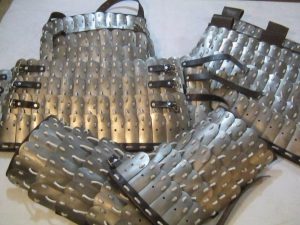
Yes, titanium can potentially stop bullets, but its effectiveness depends on several factors including the type of bullet, the velocity at which it is fired, the thickness of the titanium plate, and the angle at which the bullet impacts the plate.
Titanium is known for its exceptional strength-to-weight ratio and its ability to withstand high temperatures, which makes it a popular choice for various industrial and military applications. However, while titanium is strong and lightweight, it’s not as dense as some other metals commonly used for bulletproofing, like steel or tungsten.
For titanium to effectively stop bullets, it generally needs to be used in thicker plates compared to denser metals. This is because titanium is less dense and has a lower stopping power per unit thickness. Thicker titanium plates might be required to achieve the same level of protection as thinner plates made from denser metals.
Additionally, the angle at which the bullet strikes the titanium plate is important. If the bullet hits the plate head-on, it’s more likely to be stopped. However, if the bullet hits the plate at an angle, it might have a higher chance of penetrating the plate.
It’s also important to note that different types of bullets have varying levels of penetration power. High-velocity armor-piercing bullets, for example, are designed to penetrate hard surfaces, and they might have a better chance of penetrating titanium compared to standard handgun bullets.
Is titanium armor considered bulletproof?
Titanium armor can offer a certain level of protection against bullets, but whether it is considered “bulletproof” depends on the specific design, thickness, and intended use of the armor.
Titanium’s effectiveness as bulletproof armor depends on factors such as:
- Plate Thickness: Thicker titanium plates are more likely to stop bullets effectively. The thickness required to stop different types of bullets varies, and in some cases, thicker titanium plates might be needed compared to other materials like steel or ceramic.
- Bullet Type and Velocity: The type of bullet being fired and its velocity play a significant role in determining whether titanium armor can stop it. High-velocity armor-piercing bullets are more challenging to stop compared to standard handgun bullets.
- Armor Design: The overall design of the armor, including factors such as curvature, layering, and backing materials, can significantly impact its bullet-stopping capability. A well-designed titanium armor system can enhance its effectiveness.
- Impact Angle: The angle at which a bullet strikes the armor can affect its ability to stop the bullet. A direct head-on impact is more likely to be stopped compared to an oblique impact.
- Level of Protection: Different levels of protection are defined by industry standards, such as the NIJ (National Institute of Justice) standards in the United States. Armor designed to meet certain NIJ levels will provide specific protection against certain types of bullets.
- Context and Purpose: The intended use of the armor matters. Armor designed for military or law enforcement applications may need to withstand different threats compared to personal body armor used by civilians.
- Trade-offs: Titanium’s lightweight and strength characteristics might make it suitable for specific applications where mobility is crucial. However, trade-offs between weight, thickness, and protection level must be considered.
Does titanium provide ballistic protection?
Yes, titanium can provide ballistic protection to a certain extent. Ballistic protection refers to the ability of a material or structure to resist the penetration of projectiles, such as bullets, shrapnel, or fragments. Titanium’s properties, including its high strength-to-weight ratio and good resistance to impact, make it a viable candidate for ballistic protection applications.
However, the effectiveness of titanium in providing ballistic protection depends on various factors, as mentioned earlier:
- Plate Thickness: Thicker titanium plates are more likely to provide effective ballistic protection against bullets and other projectiles.
- Bullet Type and Velocity: The specific threats the armor needs to counter, including bullet type and velocity, will influence the design and thickness of the titanium armor.
- Armor Design: The way the titanium is designed and incorporated into the armor system matters. Factors such as curvature, layering, and backing materials can enhance the armor’s protective capabilities.
- Impact Angle: The angle at which projectiles impact the titanium armor can affect its ability to stop them.
- Intended Use: The intended application of the armor (e.g., military, law enforcement, personal protection) will dictate the level of ballistic protection required.
- Standards: Industry standards, such as those defined by the National Institute of Justice (NIJ) in the United States, set criteria for different levels of ballistic protection. Titanium armor can be designed to meet specific standards based on the intended threat level.
- Trade-offs: As with any material, there are trade-offs to consider. Titanium’s lighter weight compared to other materials like steel might be advantageous for certain applications, but thickness considerations may need to be made to achieve the desired level of protection.
It’s important to note that while titanium can offer ballistic protection, there are also other materials commonly used for ballistic protection, such as steel, ceramic, and composite materials.
The choice of material depends on a balance of factors including weight, thickness, protection level, cost, and intended use. In some cases, armor systems may incorporate multiple materials to optimize their protective capabilities.
Is titanium commonly used in body armor?

Titanium is not commonly used as the primary material in body armor for civilian or military applications. While titanium does have properties that make it suitable for certain armor applications, there are other materials that are more commonly used due to their specific advantages in providing effective protection.
The primary materials used in body armor are often ceramics, aramid fibers (such as Kevlar), and specialized high-strength steels. These materials offer a combination of properties that make them well-suited for ballistic protection:
- Ceramics: Ceramic materials like alumina, silicon carbide, and boron carbide are known for their high hardness and ability to shatter incoming projectiles upon impact, effectively dissipating the energy and reducing penetration. They are often used in combination with other materials to create composite armor systems.
- Aramid Fibers: Aramid fibers like Kevlar are lightweight and flexible, making them ideal for soft body armor. They can provide protection against handgun bullets and shrapnel while allowing for greater mobility.
- Steel: High-strength steel is commonly used in hard armor plates. Steel plates can effectively stop bullets and other projectiles, but they tend to be heavier than other materials.
- Composite Materials: Composite armor systems use a combination of different materials to take advantage of their individual strengths. These systems can provide effective protection while minimizing weight.
While titanium can provide ballistic protection, it is often considered for niche applications due to its unique properties. For example, titanium might be used in armored vehicles, aircraft, or maritime applications where its strength-to-weight ratio and corrosion resistance are valuable.
However, its use in body armor is less common due to factors such as cost, weight, and the availability of more suitable materials for personal protection.
Can titanium plates resist bullets?
Titanium is a strong and lightweight metal that has excellent corrosion resistance and a high strength-to-weight ratio. While titanium is indeed durable and can withstand a variety of forces, it may not be the most effective material for resisting bullets on its own.
The ability of a material to resist bullets depends on several factors, including the velocity and caliber of the bullet, the angle at which the bullet impacts the material, and the thickness and quality of the material itself. Titanium is generally not used as a primary material for bulletproof applications because there are other materials that provide better ballistic protection.
For bullet-resistant purposes, specialized materials such as ballistic steel, ceramic composites, and advanced synthetic fibers like Kevlar are often used. These materials are designed to absorb and dissipate the energy of a bullet, preventing penetration. They are engineered with specific properties to handle high-velocity impacts, and their effectiveness depends on the careful design and arrangement of the layers.
While titanium might offer some level of resistance to certain low-velocity or small-caliber bullets, it is not commonly used for bulletproof applications due to factors like cost, weight, and overall effectiveness compared to other dedicated ballistic materials. If you are interested in bulletproofing applications, it’s best to consult with experts and professionals who specialize in materials science and ballistic protection.
Is titanium stronger than traditional bulletproof materials?
Titanium is known for its high strength-to-weight ratio and excellent mechanical properties, but when it comes to bulletproof applications, it’s not always the best choice compared to specialized bulletproof materials like ballistic steel, ceramic composites, and advanced synthetic fibers.
Bulletproof materials are designed to absorb and dissipate the energy of a bullet, preventing penetration. They are engineered to withstand high-velocity impacts and are often layered or combined in specific ways to optimize their protective capabilities. The strength of these materials lies not just in their intrinsic strength but also in their ability to distribute and manage the impact forces.
While titanium is strong, it might not offer the same level of ballistic protection as materials specifically designed for this purpose. Titanium’s effectiveness against bullets depends on factors such as bullet velocity, caliber, and angle of impact. Titanium’s hardness and toughness properties might not be as well-suited for absorbing and dispersing the energy of a bullet as the specialized materials mentioned earlier.
In practical terms, titanium is not commonly used as the primary material for bulletproof applications due to factors like cost, weight, and the overall effectiveness of alternative materials.
The materials used in bulletproof vests, armored vehicles, and other ballistic protection applications are carefully selected and engineered to provide the best possible protection against bullets and other ballistic threats.
Does titanium’s strength make it bullet-resistant?
Titanium is a strong and lightweight metal, but its strength and properties alone do not make it inherently bullet-resistant. Whether a material is bullet-resistant depends on a combination of factors including its hardness, density, toughness, and ability to absorb and dissipate the energy of a bullet impact.
While titanium has excellent strength-to-weight ratio and can withstand certain forces, it is not as hard or dense as some other materials like steel or ceramics that are commonly used in bullet-resistant applications. Titanium can deform and crack under high-velocity impacts from bullets, and its ability to stop bullets effectively depends on factors such as the bullet’s caliber, velocity, and the thickness and quality of the titanium used.
In applications where bullet resistance is required, materials like steel, ceramic plates, and advanced synthetic composites are often preferred due to their ability to absorb and dissipate the kinetic energy of a bullet, thus reducing its penetration. These materials are specifically designed and tested to meet certain ballistic protection standards.
Is titanium utilized for military bulletproof gear?
Titanium is not commonly used as the primary material for military bulletproof gear. While titanium has excellent strength-to-weight ratio and is used in various military and aerospace applications, it is not the most common choice for ballistic protection due to its limitations in terms of hardness and density when compared to other materials that are better suited for this purpose.
Military bulletproof gear, such as body armor and ballistic helmets, typically rely on materials that can effectively absorb and dissipate the kinetic energy of a bullet impact. These materials are designed to deform, crack, or fracture in a controlled manner to slow down and stop the bullet.
Materials like high-strength steel, ceramics, aramid fibers (e.g., Kevlar), and UHMWPE (Ultra-High Molecular Weight Polyethylene) are commonly used due to their ability to provide effective ballistic protection.
These materials are chosen for their specific properties that enable them to withstand the intense forces generated by a bullet impact and reduce the likelihood of penetration. Titanium, while strong and lightweight, lacks some of the necessary characteristics required for effective ballistic protection and is thus not as commonly used for military bulletproof gear.
Can titanium body armor stop high-velocity rounds?

While titanium is a strong and lightweight metal, it is not typically used as the primary material for body armor designed to stop high-velocity rounds. Titanium has certain limitations that make it less suitable for ballistic protection compared to other materials.
High-velocity rounds generate a significant amount of kinetic energy upon impact, and effective body armor needs to be able to absorb and dissipate this energy to prevent penetration. Materials like ceramics, steel, aramid fibers (such as Kevlar), and UHMWPE (Ultra-High Molecular Weight Polyethylene) are commonly used for body armor because they have properties that allow them to deform, fracture, or break in a controlled manner, which helps to slow down and stop the bullet.
Titanium, on the other hand, is relatively lightweight and has good strength, but it lacks the hardness and density necessary to effectively absorb and disperse the energy of high-velocity rounds. When subjected to the intense impact of a high-velocity bullet, titanium can deform, crack, or fracture, potentially allowing the bullet to penetrate.
Overall, while titanium has its uses in various military and aerospace applications, it is not commonly used as the primary material for body armor designed to stop high-velocity rounds. Materials that have been specifically engineered and tested to meet ballistic protection standards are preferred for this purpose.
Is titanium a reliable material for stopping bullets?
Yes, titanium is known for its exceptional strength-to-weight ratio and resistance to corrosion, which makes it a potential candidate for stopping bullets and other projectiles. However, whether titanium can reliably stop bullets depends on several factors, including the type of bullet, its velocity, the thickness and quality of the titanium plate, and the angle at which the bullet impacts the plate.
Titanium is commonly used in armor applications, such as body armor for military personnel and armored vehicles. Titanium plates can effectively reduce the penetration of bullets, shrapnel, and other projectiles due to their high strength and ability to absorb energy.
However, it’s important to note that there are different grades and types of titanium, each with varying levels of strength and ballistic resistance. Some titanium alloys are specifically designed to enhance these properties.
It’s also worth considering that no material is completely bulletproof. While titanium can provide excellent protection, there are limits to what it can stop. High-velocity armor-piercing bullets or projectiles specifically designed to defeat armor might still penetrate titanium plates, especially at close ranges.
Overall, titanium can be a reliable material for stopping bullets, but the effectiveness depends on the specific circumstances and the design of the armor system. It’s always important to consult with experts in materials science and ballistics when designing protective systems.
Recommended:
Conclusion
This page answers the question on is titanium bulletproof. Titanium is a strong and lightweight material with the potential to effectively stop bullets and other projectiles. It is often used in armor applications due to its high strength-to-weight ratio and resistance to corrosion.
While titanium can provide reliable protection against various types of bullets, its effectiveness depends on factors such as bullet type, velocity, plate thickness, and material quality. Titanium is not completely bulletproof, but it can be a valuable component in creating effective ballistic protection systems.