
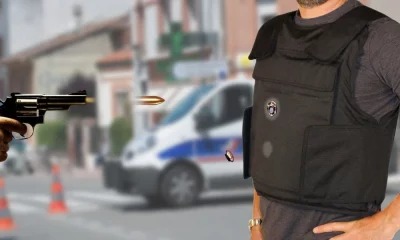
Is Kevlar truly bulletproof? This question has intrigued and captivated the minds of many, conjuring images of impenetrable armor and protection against lethal forces. At the heart of this inquiry lies Kevlar, a synthetic material renowned for its remarkable strength and versatility.
Widely recognized for its applications in personal protective gear, Kevlar has become synonymous with bullet resistance. In this exploration, we delve into the science and properties that make Kevlar a staple in protective equipment, while delving into the intricacies of its bullet-stopping capabilities.
So, is Kevlar truly bulletproof, or does its reputation exceed its reality? Let us unravel the layers of this fascinating material and unveil the truth behind its legendary status.
Is Kevlar considered bulletproof?

Kevlar is often referred to as “bullet-resistant” rather than “bulletproof.” While Kevlar is an incredibly strong and durable material that can effectively stop or slow down bullets and other projectiles, it is not impervious to all types of ammunition or ballistic threats.
Kevlar is commonly used in the construction of body armor, helmets, and other protective gear worn by law enforcement officers, military personnel, and civilians. It is designed to absorb and distribute the energy from a bullet, reducing the impact and preventing penetration. However, the level of protection provided by Kevlar can vary based on factors such as the thickness of the material, the number of layers used, and the specific design of the protective gear.
Higher-caliber or armor-piercing bullets, as well as other advanced forms of ammunition, may be able to defeat Kevlar-based protection to some extent. Therefore, while Kevlar is a highly effective material for providing ballistic resistance, it is not completely bulletproof in all situations.
It’s also important to note that advancements in materials science have led to the development of even stronger and more advanced fibers and composites for ballistic protection, beyond Kevlar. These materials, such as Dyneema and Spectra, offer enhanced levels of protection while maintaining lightweight and flexible properties.
Can bullets penetrate Kevlar material?
Bullets can potentially penetrate Kevlar material, depending on several factors including the type of bullet, its velocity, the number of Kevlar layers, the angle of impact, and the specific design of the protective gear.
Kevlar is a strong and durable material with excellent ballistic resistance properties. It is designed to absorb and distribute the energy from a bullet, reducing its impact and preventing penetration. In many cases, Kevlar can effectively stop or slow down bullets, providing a high level of protection.
However, there are limits to what Kevlar can withstand. Higher-velocity or armor-piercing bullets, as well as bullets from powerful firearms, may be able to penetrate Kevlar material, especially if the protective gear has fewer layers or if the angle of impact is unfavorable.
To enhance protection, modern body armor often uses multiple layers of Kevlar and may incorporate additional materials such as ceramic or metal plates. These layers work together to provide a higher level of ballistic resistance against a wider range of threats.
It’s important to note that advancements in materials science continue to improve the effectiveness of protective gear made from Kevlar and other materials. As a result, body armor and other ballistic protection products are continually evolving to provide better defense against a variety of bullets and projectiles.
Does Kevlar provide ballistic protection?
Yes, Kevlar is a synthetic fiber known for its high tensile strength and durability, and it is commonly used in ballistic protection. Kevlar is often used to create body armor, helmets, and other protective gear for military, law enforcement, and civilian applications. It is known for its ability to absorb and dissipate the energy of bullets and other projectiles, reducing the risk of injury to the wearer.
Kevlar-based materials are designed to be lightweight and flexible while providing effective ballistic protection. The fibers in Kevlar are incredibly strong, and when woven into fabric, they can help prevent penetration by slowing down and dispersing the impact energy of bullets and shrapnel. Kevlar’s effectiveness in providing ballistic protection has made it a widely used material in various personal protective equipment and armor systems.
Is Kevlar used in bulletproof vests?

Yes, Kevlar is commonly used in the construction of bulletproof vests and other types of body armor. Bulletproof vests, also known as ballistic vests, are designed to protect individuals from bullets and projectiles, particularly in dangerous or high-risk situations such as law enforcement, military operations, and civilian self-defense.
Kevlar fibers are woven into a fabric and then layered or combined with other materials to create a composite material that offers ballistic protection. The design and construction of bulletproof vests vary, but Kevlar is often a key component due to its high strength and ability to absorb and disperse the energy of bullets.
The specific arrangement and combination of materials in a bulletproof vest will determine its level of protection against different types of ammunition and threats. Kevlar’s flexibility and lightweight nature make it well-suited for use in body armor, as it allows for mobility while still providing a high level of ballistic resistance.
What type of projectiles can Kevlar withstand?
Kevlar is designed to provide protection against a range of projectiles, primarily bullets and shrapnel. The level of protection offered by Kevlar-based materials depends on various factors, including the thickness and arrangement of the layers, the specific weave pattern of the fabric, and the type of ammunition or projectile being faced.
Different grades and configurations of Kevlar can offer varying levels of protection against different types of projectiles.
Kevlar is particularly effective against handgun and pistol caliber bullets, as well as some lower-velocity rifle rounds. It can provide protection against bullets fired from handguns such as 9mm, .40 S&W, and .45 ACP, as well as some shotgun pellets and other small projectiles.
However, Kevlar has limitations when it comes to high-velocity rifle rounds, armor-piercing ammunition, and certain specialized projectiles. In situations where greater protection is needed against these more powerful or specialized threats, additional layers of different materials (such as ceramic plates) may be used in conjunction with Kevlar to enhance the overall protective capabilities of body armor.
It’s important to note that advancements in material science and technology continue to lead to the development of improved ballistic protection systems. The effectiveness of Kevlar-based body armor can also be affected by factors such as the angle of impact, distance from the source of the projectile, and the specific design and construction of the armor.
Is Kevlar used in military armor?
Yes, Kevlar is commonly used in various types of military armor and protective gear. Its high strength, lightweight nature, and ability to provide ballistic protection make it a valuable material for military applications. Some of the ways Kevlar is used in military armor include:
- Body Armor: Kevlar is often used in the construction of military ballistic vests and plate carriers. These vests provide protection to military personnel against bullets, shrapnel, and other projectiles in combat situations.
- Helmets: Kevlar is used in the production of military helmets to provide protection against head injuries from projectiles, shrapnel, and other impacts.
- Vehicle Armor: Kevlar-based materials can be incorporated into vehicle armor to increase protection against ballistic threats. Armored vehicles and military transport vehicles may use Kevlar along with other materials to enhance their ability to withstand attacks.
- Personal Protective Equipment: Military personnel may wear Kevlar-based gear, such as gloves and other protective clothing, to reduce the risk of injury from various hazards encountered in combat zones.
- Blast Protection: Kevlar can also be used in combination with other materials to provide blast protection, such as in the construction of curtains or barriers designed to minimize the impact of explosions.
- Aircraft Armor: Kevlar-based materials can be used in certain parts of military aircraft to enhance protection against shrapnel and projectiles.
While Kevlar is widely used in military applications, it is important to note that advanced military armor often incorporates multiple layers of different materials to provide comprehensive protection against various types of threats. Kevlar’s role in military armor systems may vary depending on the specific requirements and intended use of the protective gear or equipment.
What are the limitations of Kevlar as bullet protection?

While Kevlar is an effective material for providing ballistic protection, it does have some limitations, particularly when it comes to certain types of projectiles and threats. Some of the limitations of Kevlar as bullet protection include:
- High-Velocity Rifle Rounds: Kevlar is less effective at stopping high-velocity rifle rounds, especially those with armor-piercing capabilities. These rounds can have significantly greater kinetic energy and penetration capabilities, potentially defeating Kevlar-based armor.
- Armor-Piercing Ammunition: Some armor-piercing ammunition is designed to penetrate armor by using materials or design features that can defeat Kevlar layers. This type of ammunition can pose a significant challenge to Kevlar-based body armor.
- Trauma Backface Deformation: Kevlar-based armor may not fully prevent backface deformation, which occurs when the force of impact pushes the armor material against the wearer’s body. This can result in blunt force trauma or injury, even if the bullet is stopped.
- Environmental Factors: Kevlar’s ballistic protection can be affected by environmental conditions, such as extreme temperatures, humidity, and exposure to chemicals or UV radiation. Over time, these factors can degrade the performance of Kevlar-based armor.
- Multi-Hit Capability: Depending on the design and configuration, Kevlar-based armor may have limitations in terms of its ability to withstand multiple hits in the same area. Subsequent impacts on the same spot can compromise the armor’s protective capabilities.
- Spall and Secondary Fragments: While Kevlar can stop or slow down projectiles, it may not prevent spall (fragments of the armor or projectile) from causing injury to the wearer or nearby personnel.
- Weight and Bulkiness: As the level of protection increases, Kevlar-based armor can become heavier and bulkier, potentially affecting mobility and comfort for the wearer.
- Material Degradation: Over time and with exposure to wear and tear, Kevlar fibers can degrade, reducing the effectiveness of the armor.
Due to these limitations, advanced body armor systems often incorporate a combination of materials, such as ceramics or composite materials, in addition to Kevlar, to provide comprehensive protection against a wider range of threats. The choice of armor depends on the specific requirements and intended use, as well as the balance between protection, weight, and mobility.
Is Kevlar the only material used for bulletproofing?
No, Kevlar is not the only material used for bulletproofing. While Kevlar is a commonly used material in bulletproof and ballistic protection, modern body armor and protective gear often utilize a combination of materials to achieve the desired level of protection against various threats.
These materials are chosen based on their specific properties and capabilities. Some of the other materials used for bulletproofing and ballistic protection include:
- Ceramic Plates: Ceramic materials, such as boron carbide, silicon carbide, and alumina, are often used in conjunction with Kevlar to enhance protection against high-velocity rifle rounds and armor-piercing ammunition. Ceramic plates are known for their ability to shatter and disperse the energy of incoming projectiles.
- Composite Materials: Composite materials, which combine different materials such as fibers and resins, can provide a balance of strength, flexibility, and ballistic protection. These materials can be customized to provide varying levels of protection based on the specific application.
- Steel: Steel plates are sometimes used as armor in applications where weight is less of a concern. Steel provides effective protection against many types of bullets and projectiles.
- Polyethylene: High-density polyethylene (HDPE) and ultra-high molecular weight polyethylene (UHMWPE) are lightweight materials used in armor systems. They offer good protection against handgun and some rifle rounds.
- Aramid Fibers: Similar to Kevlar, other aramid fibers like Twaron and Technora are used in bulletproofing applications. These fibers share some characteristics with Kevlar and can be woven into ballistic fabrics.
- Dyneema: Dyneema is another high-strength synthetic fiber used in ballistic protection. It offers good protection while being lightweight and flexible.
- Carbon Nanotubes: Carbon nanotubes and other advanced nanomaterials are being researched for their potential use in lightweight, high-performance ballistic protection.
- Soft Armor Panels: Soft armor panels combine multiple layers of different materials, such as Kevlar, UHMWPE, and other fibers, to create flexible and effective ballistic protection.
The choice of materials depends on factors such as the level of protection required, the types of threats being faced, weight constraints, comfort, and mobility. Many modern ballistic protection systems use a combination of materials in layers or panels to provide comprehensive protection against a wide range of projectiles and threats.
Recommended:
- Can metal catch on fire?
- Why are firetrucks red?
- Is baking soda flammable?
- What temperature does cardboard burn?
Conclusion
The question is Kevlar bulletproof is all we got to address on this page. Kevlar is a highly effective material for providing ballistic protection against a range of projectiles, particularly those from handguns and lower-velocity rifle rounds.
However, it has limitations when it comes to high-velocity rifle rounds, armor-piercing ammunition, and certain specialized threats. Modern bulletproofing often involves combining Kevlar with other materials, such as ceramics or composites, to create comprehensive armor systems that offer varying levels of protection based on specific needs and requirements.