
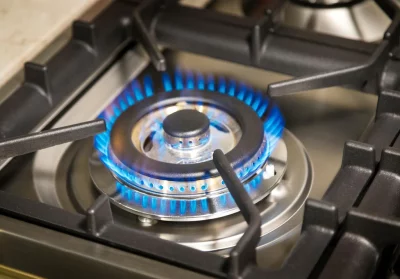
Gas stoves are an essential component of countless kitchens worldwide, providing the means to cook food efficiently and conveniently. As we delve into the topic of “How Hot Does a Gas Stove Get,” we embark on a journey to understand the temperatures these appliances can reach during their operation.
Beyond their culinary applications, gas stoves have implications for safety, energy consumption, and even scientific exploration. Exploring the factors that influence their heat output opens the door to a deeper comprehension of both everyday cooking practices and the scientific principles that underpin them.
Join us as we uncover the heat dynamics of gas stoves and shed light on the range of temperatures they can achieve, unlocking insights that resonate with both home chefs and curious minds alike.
How hot can a gas stove burner reach?
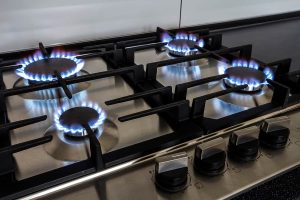
The temperature that a gas stove burner can reach depends on various factors, including the type of gas being used (natural gas or propane), the burner design, and the amount of air mixture. On average, gas stove burners can typically reach temperatures between 500 to 900 degrees Fahrenheit (260 to 480 degrees Celsius).
However, the exact temperature can vary based on the specific model of the stove, the size of the burner, and the intensity of the flame. Some specialized stoves designed for high-heat cooking, such as commercial or professional-grade stoves, might be capable of reaching even higher temperatures.
It’s important to note that while gas stove burners can get quite hot, they might not reach the same temperatures as some other cooking methods like broiling or using specialized equipment like blow torches, which can reach much higher temperatures. Always exercise caution and follow proper safety guidelines when using a gas stove or any cooking appliance.
What is the maximum temperature of a gas stove flame?
The maximum temperature of a gas stove flame can vary depending on several factors, including the type of fuel being used (natural gas or propane), the specific burner design, and the combustion efficiency. In general, gas stove flames can reach temperatures of around 3,500 to 4,000 degrees Fahrenheit (1,927 to 2,204 degrees Celsius).
It’s important to note that these temperatures are approximate and can vary based on the specific conditions and adjustments of the stove. Additionally, different parts of the flame (such as the outer cone, inner cone, and blue core) can have slightly different temperatures.
When using a gas stove, it’s crucial to exercise caution and follow safety guidelines to prevent accidents or injuries.
How does the heat output of a gas stove vary?
The heat output of a gas stove can vary based on several factors, including the type of fuel being used, the burner design, the stove’s settings, and the overall efficiency of combustion. Here are some key factors that influence the heat output of a gas stove:
- Gas Type: Gas stoves can be fueled by either natural gas or propane. Propane generally has a higher energy content than natural gas, which can result in a higher heat output when burned.
- Burner Design: The design of the burner, including the size and shape of the burner ports, can impact the heat output. Burners with more ports or a different design can distribute the flame differently and affect the overall heat output.
- Regulator Settings: Gas stoves typically have adjustable knobs or controls that allow users to regulate the flow of gas to the burners. Increasing the gas flow will generally result in a higher flame and increased heat output.
- Air-to-Gas Ratio: The proper mixture of air and gas is necessary for efficient combustion. Adjusting the air-to-gas ratio can influence the intensity and color of the flame, which in turn affects the heat output.
- Combustion Efficiency: Efficient combustion of the gas is crucial for achieving maximum heat output. If the combustion process is not optimized, some of the energy in the fuel may be wasted, leading to reduced heat output.
- Cookware and Heat Transfer: The type and quality of cookware used on the stove can impact how efficiently heat is transferred from the flame to the food. High-quality cookware with good heat conductivity can result in more effective cooking and heating.
- Altitude and Air Pressure: The heat output of a gas stove can also be influenced by altitude and air pressure. At higher altitudes, where the air pressure is lower, gas combustion may be affected, potentially leading to variations in heat output.
- Maintenance and Cleaning: Keeping the burner and gas delivery system clean and well-maintained is important for optimal combustion and heat output. Buildup of debris or residue can impact the efficiency of the burner and reduce heat output.
It’s important to follow the manufacturer’s instructions and safety guidelines when operating a gas stove to ensure proper and safe use. If you’re looking for specific information about a particular gas stove model, it’s recommended to consult the stove’s manual or contact the manufacturer for accurate details regarding its heat output and operation.
How hot does a gas stove’s cooking surface get during use?
The temperature of a gas stove’s cooking surface during use can vary based on several factors, including the type of cookware, the heat setting, the burner design, and the efficiency of the stove.
However, it’s common for gas stove cooking surfaces to reach temperatures of around 300 to 500 degrees Fahrenheit (149 to 260 degrees Celsius) during normal cooking.
Here are a few key points to consider:
- Heat Setting: The temperature of the cooking surface will depend on the heat setting you choose. Higher heat settings will result in a hotter cooking surface, while lower settings will produce less heat.
- Cookware: The type of cookware you use can impact how efficiently heat is transferred from the burner to the cooking surface. Cookware with good heat conductivity, such as stainless steel or cast iron, can result in more even heating of the cooking surface.
- Burner Design: The design of the burner and its heat distribution capabilities will affect how evenly the cooking surface heats up. Some burners are designed to provide more even heat distribution across the cooking area.
- Cooking Time and Method: Different cooking methods and durations can influence the cooking surface temperature. For example, a quick sauté may not heat the surface as much as prolonged simmering.
- Stove Efficiency: The overall efficiency of the stove, including how well it retains and transfers heat, will impact the cooking surface temperature.
- External Factors: Environmental conditions, such as room temperature and altitude, can also play a role in the cooking surface temperature.
It’s important to exercise caution and follow safety guidelines while using a gas stove. Always use oven mitts or potholders when handling hot cookware, and be aware that the cooking surface can remain hot even after the burner is turned off.
Can a gas stove’s temperature be controlled precisely?
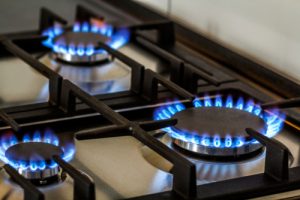
Gas stoves can provide a certain level of temperature control, but the precision of control can vary based on the design of the stove, the quality of the burner components, and the type of cookware being used.
While gas stoves offer a wide range of heat settings and can generally be adjusted to achieve different cooking temperatures, they may not offer the same level of precision as some other cooking methods, such as electric or induction stoves.
Here are some factors to consider regarding the precision of temperature control on a gas stove:
- Heat Settings: Gas stoves typically have knobs or controls that allow you to adjust the flame intensity, which in turn affects the heat output. This provides a degree of control over the temperature, but the increments between settings might not be as fine-tuned as with other types of stoves.
- Burner Design: The design of the burner can influence how evenly heat is distributed across the cooking surface. Some high-quality gas stoves may have burners with multiple zones or precise controls for more even and controlled cooking.
- Cookware: The type and quality of cookware you use can affect how well heat is transferred and distributed. Using cookware with good heat conductivity can help you achieve more precise temperature control.
- Experience and Practice: With experience, cooks often become adept at managing gas stove temperatures by adjusting the flame based on visual cues and the behavior of the food being cooked.
- External Thermometers: If precise temperature control is crucial for a specific recipe, you can use external thermometers or specialized cookware with built-in temperature indicators to monitor and control the cooking temperature more accurately.
- Afterburn: Gas stoves can have a phenomenon called “afterburn,” where the residual heat can continue cooking food even after the flame has been turned off. This can affect precise control, especially when aiming for lower temperatures.
While gas stoves may not offer the same level of digital precision as electric or induction cooktops, they are still capable of producing excellent cooking results in the hands of skilled cooks. If precise temperature control is essential for your cooking needs, you might also consider using additional tools such as an infrared thermometer or a temperature-controlled sous-vide setup.
How does the temperature of a gas stove compare to an electric stove?
The temperature and heat distribution of a gas stove compared to an electric stove can differ due to the underlying mechanisms of heat generation and transfer. Here’s a comparison of how the two types of stoves generally behave:
Gas Stove:
- Heat Source: Gas stoves use a flame produced by burning natural gas or propane to generate heat. The heat is directly applied to the cookware through the burner.
- Heat Distribution: The heat from a gas flame is concentrated around the burner and can be adjusted using the control knobs. The heat is relatively instantaneous, making it well-suited for tasks that require rapid changes in temperature, such as searing.
- Temperature Control: While gas stoves allow for adjustable flame settings, the precise temperature control can be more challenging compared to electric stoves, especially at lower heat levels. Experienced cooks often learn to manage temperature by visual cues and adjusting the flame.
- Cookware Compatibility: Gas stoves are compatible with a wide range of cookware materials, including those with uneven or irregular bottoms.
Electric Stove:
- Heat Source: Electric stoves use electric coils or induction technology to generate heat. The heat is produced in the coils (resistive heating) or through electromagnetic induction (induction stoves), and it’s transferred to the cookware.
- Heat Distribution: Electric stoves, especially induction ones, provide more even heat distribution across the cooking surface. The heat is generated in the coil/element and then transferred to the cookware, which can result in less heat loss compared to gas stoves.
- Temperature Control: Electric stoves generally offer more precise temperature control, often with numbered settings that correspond to specific temperature levels. This makes them well-suited for tasks that require accurate and consistent temperatures, such as simmering delicate sauces.
- Cookware Compatibility: Electric stoves require cookware with flat and even bottoms to ensure efficient heat transfer. Induction stoves require cookware that is magnetic and compatible with induction technology.
What factors influence the heat levels of a gas stove?
The heat levels of a gas stove are influenced by several factors that affect the amount of gas being burned and the resulting intensity of the flame. Here are the main factors that impact the heat levels of a gas stove:
- Gas Flow Rate: The primary factor controlling the heat output of a gas stove is the rate at which gas is allowed to flow to the burner. Adjusting the control knob or valve on the stove regulates the gas flow and, consequently, the heat intensity of the flame.
- Air-to-Gas Ratio: Efficient combustion requires the right balance of air and gas. When the air-to-gas ratio is optimal, the flame burns hotter and more efficiently. Adjusting the ratio can affect the flame’s color, stability, and heat output.
- Burner Design: The design of the burner itself can influence the heat levels. Burners with more ports or specialized designs may distribute the flame differently, impacting the overall heat distribution and intensity.
- Burner Size: Larger burners generally produce more heat than smaller ones due to the larger surface area of the flame. Some stoves have burners of varying sizes, which allow for different heat levels.
- Regulator Settings: Gas stoves are equipped with regulators that control the pressure of the gas supply. Adjusting the regulator can impact the overall heat output of the stove.
- Cookware: The type and quality of cookware you use can affect the transfer of heat from the flame to the food. Good-quality, heat-conductive cookware will allow for better heat transfer and more effective cooking.
- Altitude and Air Pressure: The altitude at which the gas stove is being used can affect the combustion process and gas flow. Higher altitudes with lower air pressure may impact the heat output of the stove.
- Gas Type: Whether the stove is fueled by natural gas or propane can impact the heat levels. Propane, for example, generally has a higher energy content and can result in higher heat output.
- Cleanliness and Maintenance: A clean burner and gas delivery system are essential for efficient combustion and optimal heat output. Clogs or debris can affect the flame’s performance.
- Stove Condition: The overall condition of the stove, including the condition of the burners and control mechanisms, can impact heat levels. Well-maintained stoves tend to perform better.
- Afterburn: Gas stoves can experience a phenomenon known as “afterburn,” where residual heat continues to emanate from the burners even after they’ve been turned off. This can affect the ability to quickly lower heat levels.
By understanding and adjusting these factors, cooks can control the heat levels of a gas stove to achieve the desired cooking temperatures for various dishes.
What are the potential risks of using a gas stove at high temperatures?
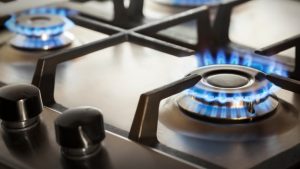
Using a gas stove at high temperatures can present certain risks and safety concerns. It’s important to be aware of these risks and take appropriate precautions to ensure your safety and the safety of your home. Here are some potential risks associated with using a gas stove at high temperatures:
- Fire Hazard: Operating a gas stove at extremely high temperatures can increase the risk of a fire. Flammable materials near the stove, such as paper towels or curtains, could catch fire if they come into contact with the open flame.
- Burns and Scalds: High-temperature flames can cause severe burns or scalds if you come into direct contact with them or accidentally touch a hot burner or cookware.
- Food Overcooking or Burning: Cooking food at excessively high temperatures can cause it to overcook, burn, or become charred. This not only ruins the food but can also produce harmful fumes and smoke.
- Air Quality and Indoor Pollution: Cooking at high temperatures can lead to increased emissions of pollutants, such as carbon monoxide and nitrogen dioxide. Poor ventilation can allow these pollutants to accumulate indoors, affecting air quality and potentially posing health risks.
- Potentially Damaging Cookware: Excessive heat can damage certain types of cookware, particularly nonstick coatings. Overheating nonstick pans can release potentially harmful fumes.
- Gas Leaks: While operating a gas stove at high temperatures itself may not directly cause gas leaks, improper use, such as turning the knobs to high settings and leaving them unattended, could potentially lead to gas leaks over time. Gas leaks are dangerous and can result in fire or explosions.
- Energy Consumption: Operating a gas stove at high temperatures for extended periods can lead to higher energy consumption and increased utility bills.
Can extreme heat from a gas stove cause damage to cookware or surfaces?
Yes, extreme heat from a gas stove can potentially cause damage to both cookware and surfaces. It’s important to use caution and follow proper cooking practices to prevent damage. Here are some ways extreme heat can lead to damage:
Cookware Damage:
- Nonstick Coatings: Excessive heat can damage nonstick coatings on cookware. Overheating nonstick pans can release harmful fumes and cause the nonstick coating to deteriorate, affecting its nonstick properties and potentially making it unsafe for cooking.
- Warped or Deformed Cookware: Intense heat can cause certain types of cookware, especially those made from thinner materials, to warp or become deformed. This can affect their performance and stability.
- Burnt or Stained Surfaces: Prolonged exposure to high heat can cause discoloration, burnt stains, or damage to the exterior finish of cookware.
- Handles and Grips: Handles or grips made from materials that are not heat-resistant can become hot and potentially cause burns or damage.
Surface Damage:
- Countertops and Surfaces: Placing hot cookware directly onto sensitive surfaces like laminate or wood countertops can cause scorching, burns, or discoloration.
- Backsplashes and Walls: Intense heat and splatters from cooking can damage backsplashes, walls, and other surfaces surrounding the stove.
- Cabinets and Ventilation: Excessive heat and grease buildup can damage cabinets and ventilation systems located above the stove.
To prevent damage to cookware and surfaces while using a gas stove:
- Use cookware that is appropriate for high-temperature cooking and follow the manufacturer’s recommendations for safe use.
- Avoid overheating nonstick cookware, as this can release harmful fumes.
- Use pot holders, trivets, or heat-resistant pads to protect countertops and surfaces from hot cookware.
- Keep a safe distance between the flames and surrounding surfaces to prevent scorching or damage.
- Clean spills and splatters promptly to prevent staining or damaging surfaces.
- Use proper ventilation to reduce heat buildup and potential damage to surrounding areas.
- Be mindful of the type of cookware you use and its compatibility with high-temperature cooking.
By taking these precautions and practicing responsible cooking habits, you can help minimize the risk of damage to your cookware and kitchen surfaces while using a gas stove.
Recommended:
- What temperature does jet fuel burn?
- Fire safety for kids
- How hot is blue fire?
- Can you burn wood in a gas fireplace?
- How to keep a fire going
Conclusion
On this page, you will get to learn about how hot does a gas stove get. A gas stove can reach temperatures of around 3,500 to 4,000 degrees Fahrenheit (1,927 to 2,204 degrees Celsius) at its hottest point, which is typically within the blue core of the flame.
However, the actual cooking surface temperature during use generally ranges from 300 to 500 degrees Fahrenheit (149 to 260 degrees Celsius) depending on factors such as burner design, gas type, and heat settings. It’s important to exercise caution, follow safety guidelines, and use proper cookware to ensure safe and effective cooking on a gas stove.