
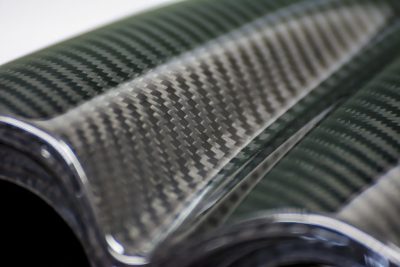
In the realm of advanced materials, the question of whether carbon fiber is bulletproof often arises as a topic of intrigue. With its lightweight yet immensely strong composition, carbon fiber has revolutionized various industries, from aerospace to sports equipment.
The phrase “is carbon fiber bulletproof” beckons us to explore the remarkable qualities of this material and its potential to withstand ballistic impacts. Delving into the science behind carbon fiber’s design and its real-world applications unveils a fascinating blend of strength, versatility, and ingenuity.
Is carbon fiber used in bulletproof applications?
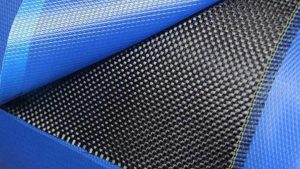
Yes, carbon fiber is indeed used in certain bulletproof applications. While it’s not the primary material used to stop bullets, carbon fiber can play a role in enhancing the performance of bulletproof products.
Carbon fiber is known for its exceptional strength-to-weight ratio and durability. It’s often used in combination with other materials, like resin, to create composite materials that offer both strength and flexibility. In bulletproof applications, carbon fiber composites can be incorporated into armor panels, reinforcing them and helping to distribute the impact force more effectively.
Carbon fiber can be used to reinforce traditional bulletproof materials like Kevlar or other ballistic fabrics, making the armor more resistant to piercing, fragmentation, and other types of ballistic threats. It can also help in reducing the weight of the overall armor, which is crucial for the comfort and mobility of the person wearing it.
Keep in mind that the effectiveness of bulletproof materials is a result of the combination of various factors, including the specific composition of the materials, the design of the armor, and the type of threat being addressed. Different levels of protection are required depending on the specific application, whether it’s for law enforcement, military, or civilian use.
Can carbon fiber stop bullets effectively?
Carbon fiber alone is not typically used as a material to stop bullets effectively. While carbon fiber is incredibly strong and lightweight, it lacks the ability to absorb and dissipate the kinetic energy of a bullet.
Bulletproof vests and other types of body armor are designed to stop bullets by using layers of specialized materials that can absorb and distribute the energy of the impact. These materials often include strong synthetic fibers like Kevlar, along with other composite materials and ceramics. Kevlar, for instance, is known for its high tensile strength and ability to deform under pressure, which helps in absorbing and dispersing the energy of a bullet.
Carbon fiber, on the other hand, is more rigid and doesn’t have the same energy-absorbing properties as materials like Kevlar. It’s used more often in applications where its high strength-to-weight ratio and rigidity are advantageous, such as in aerospace and automotive industries, but not for stopping bullets.
How does carbon fiber enhance bulletproofing?
Carbon fiber itself doesn’t enhance bulletproofing in the traditional sense. However, carbon fiber can play a role in enhancing certain aspects of bulletproofing when used in combination with other materials and technologies. Here are a few ways in which carbon fiber might be involved in enhancing bulletproofing:
- Structural Reinforcement: Carbon fiber composites can be used to reinforce armor plates or panels. While the carbon fiber itself might not be responsible for stopping bullets, it can enhance the overall structural integrity of the armor. This is important because armor needs to remain intact after a bullet impact to prevent penetration.
- Weight Reduction: Bulletproof vests and armor systems can be quite heavy due to the layers of materials required to stop bullets. Carbon fiber’s lightweight nature can be beneficial in reducing the overall weight of armor systems, making them more comfortable for the wearer.
- Layering and Composite Construction: In some advanced armor designs, carbon fiber might be part of a layered composite structure. Layers of different materials, including synthetic fibers like Kevlar, ceramics, and metals, can be combined to create armor that effectively absorbs and distributes the energy of a bullet impact. Carbon fiber might be used to enhance the rigidity or structural integrity of these composite layers.
- Vehicle Armor: Carbon fiber composites can be used to reinforce vehicle armor, such as in military vehicles. While the carbon fiber itself may not be the primary material stopping bullets, it can contribute to the overall protection by reinforcing armor plating and reducing the weight of the vehicle.
It’s important to note that the effectiveness of bulletproofing depends on the design, materials, and construction of the armor. Carbon fiber is just one component that might be used to enhance certain aspects of bulletproofing, but it is not typically the main material responsible for stopping bullets.
Bulletproofing primarily relies on specialized materials like Kevlar, ceramics, and metals that are designed to absorb and dissipate the energy of bullet impacts.
What type of bullets can carbon fiber resist?
Carbon fiber is a strong and lightweight material that is commonly used in various industries, including aerospace, automotive, and sports equipment. However, when it comes to resisting bullets, the effectiveness of carbon fiber depends on several factors:
- Bullet Type: The type of bullet and its velocity play a significant role in determining whether carbon fiber can resist it. Carbon fiber is generally not as effective as traditional ballistic materials like steel or Kevlar when it comes to stopping high-velocity bullets such as those from firearms.
- Bullet Caliber and Velocity: Carbon fiber’s ability to resist bullets will vary depending on the caliber and velocity of the bullet. Higher velocity bullets tend to have more kinetic energy, making them harder to stop.
- Number of Layers and Arrangement: The arrangement and number of layers of carbon fiber used in a particular structure also influence its ability to resist bullets. Multiple layers of carbon fiber or combining carbon fiber with other materials can enhance its protective capabilities.
- Thickness and Density: Thicker and denser carbon fiber structures are generally more effective at stopping bullets. However, there is a trade-off between thickness and weight, as thicker structures can become impractical in terms of weight and flexibility.
- Projectile Design: Some bullets are designed to penetrate armor and barriers more effectively, using features like sharp points, armor-piercing cores, or expanding designs. Carbon fiber’s resistance to different bullet types will depend on these design characteristics.
- Testing and Certification: In applications where carbon fiber composites are used for bullet resistance, such as body armor or protective panels, the material will undergo specific testing and certification procedures to ensure its effectiveness against certain bullet types and velocities.
In general, while carbon fiber has impressive mechanical properties, it may not be the material of choice for resisting bullets, especially high-velocity or armor-piercing bullets. Other materials like steel, ceramic composites, and advanced synthetic fibers like Kevlar are often preferred for ballistic protection due to their better performance in stopping bullets.
Are carbon fiber bulletproof vests lightweight?
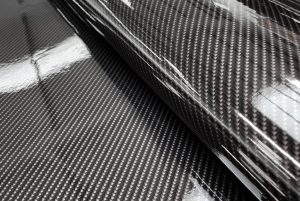
Carbon fiber itself is lightweight and has excellent strength-to-weight ratio, making it an attractive material for various applications where weight reduction is important. However, when it comes to bulletproof vests or body armor, the overall weight of the vest is influenced by several factors, including the design, the number of layers, the type of ballistic materials used, and the level of protection required.
While carbon fiber can contribute to reducing the weight of a bulletproof vest compared to traditional materials like steel, the vest’s effectiveness in stopping bullets primarily depends on the arrangement of the materials used, not just the carbon fiber itself.
Many bulletproof vests use a combination of materials, including layers of synthetic fibers like Kevlar or Dyneema, along with ceramic or metal plates, to provide effective ballistic protection.
It’s important to note that bulletproof vests need to strike a balance between protection, comfort, and weight. Extremely lightweight vests might sacrifice protection levels. The protection level required will dictate the materials used and consequently the overall weight of the vest.
So, while carbon fiber can contribute to making bulletproof vests lighter compared to traditional materials, the final weight will depend on the vest’s design, the materials used, and the level of protection it provides.
Is carbon fiber commonly used by the military and police?
Yes, carbon fiber is used by the military and law enforcement agencies, but its applications are often specific and not as widespread as in some other industries.
Carbon fiber’s lightweight and high-strength properties make it appealing for certain specialized uses where weight reduction and strength are crucial. Some ways in which carbon fiber is used in military and police contexts include:
- Aerospace Applications: The military often uses carbon fiber in aircraft and unmanned aerial vehicles (UAVs) to reduce weight and enhance performance.
- Body Armor: While carbon fiber itself might not be the primary material used in bulletproof vests, it can be incorporated into the design of protective gear to improve comfort and reduce weight. Body armor often includes a combination of materials, including synthetic fibers like Kevlar or Dyneema and hard plates.
- Weapon Accessories: Carbon fiber can be used in the construction of weapon accessories like stocks, handguards, and bipods to reduce the overall weight of firearms carried by soldiers or law enforcement officers.
- Vehicles: Carbon fiber composites can be used in vehicle components to reduce weight and increase fuel efficiency, as well as enhance the durability of military vehicles.
- Drones and Robotics: Carbon fiber is commonly used in the construction of drones and robotic systems used for surveillance, reconnaissance, and other military and police applications.
- Tactical Equipment: Some tactical equipment, such as helmets, shields, and specialized gear, can incorporate carbon fiber components to reduce weight while maintaining strength.
- Specialized Equipment: Carbon fiber can be used in various specialized equipment, such as telescopic poles for tactical purposes, lightweight tripods, and portable shelters.
It’s important to note that while carbon fiber has its advantages, it may not be suitable for all military and police applications. The choice of materials depends on factors such as the specific requirements of the equipment, the level of protection needed, and the intended use in various operational scenarios.
Does carbon fiber provide better protection than Kevlar?
Carbon fiber and Kevlar are both advanced materials with unique properties, and their effectiveness for protection depends on the specific context and requirements of the application. Each material has its own strengths and weaknesses, and they are often used in combination to create composite materials that offer enhanced protection.
Here’s a comparison of some key characteristics of carbon fiber and Kevlar in terms of protection:
Strength and Stiffness: Carbon fiber is known for its exceptional stiffness and high tensile strength, making it a great choice for applications where structural integrity and rigidity are crucial. However, carbon fiber can be brittle and may not absorb impacts as effectively as other materials.
Kevlar, on the other hand, is a synthetic fiber that has excellent impact-absorption properties and is more flexible than carbon fiber. It’s known for its ability to dissipate energy by stretching and deforming when subjected to forces, making it effective at stopping projectiles.
Weight: Carbon fiber is lightweight and has a high strength-to-weight ratio, which is advantageous for applications where reducing weight is important, such as aerospace and sports equipment.
Kevlar is also lightweight and flexible, making it suitable for wearable applications like body armor.
Bullet Resistance: Kevlar is commonly used in ballistic protection due to its ability to absorb and disperse the energy of bullets and other projectiles. It’s a key component in many soft bulletproof vests, helmets, and other protective gear.
Carbon fiber itself might not be as effective as Kevlar when it comes to stopping bullets. However, carbon fiber can be combined with other materials like ceramic plates to create composite armor that provides both strength and ballistic resistance.
Applications: Kevlar is widely used in soft body armor, helmets, and other wearable protective gear. It excels at providing protection against impacts and projectiles.
Carbon fiber is often used in structural components of military and aerospace equipment, as well as in the construction of lightweight vehicle parts, drones, and other specialized applications.
In many cases, the best protection is achieved by using a combination of materials. For example, bulletproof vests often consist of multiple layers of Kevlar combined with other materials like ceramic or metal plates for enhanced ballistic resistance.
Ultimately, the choice between carbon fiber and Kevlar depends on the specific requirements of the application and the type of protection needed. Both materials have their own advantages and are often used together to create advanced composite materials that provide a balance of strength, flexibility, and protection.
Can carbon fiber body armor be worn comfortably?
Carbon fiber itself is not typically used as the primary material in body armor designed for comfort and bullet resistance. While carbon fiber is strong and lightweight, it has certain properties, such as being rigid and brittle, that might not make it the most comfortable material to wear directly against the body. Moreover, its effectiveness in stopping bullets might not be as high as other materials like Kevlar.
Modern body armor that prioritizes both comfort and protection often uses a combination of materials, including synthetic fibers like Kevlar or Dyneema, along with flexible panels and other technologies to distribute the impact force and minimize discomfort for the wearer.
Here are some considerations for creating comfortable body armor:
- Soft Armor Panels: Soft body armor vests typically use layers of flexible materials like Kevlar or Dyneema, which are designed to mold to the body’s contours and provide a more comfortable fit. These materials are also effective at absorbing and dispersing the energy of bullets or other projectiles.
- Ergonomic Design: Body armor is designed with ergonomic considerations in mind to ensure that it fits well and doesn’t restrict the wearer’s movements excessively.
- Moisture Wicking and Breathability: Comfortable body armor often incorporates moisture-wicking and breathable fabrics to prevent excessive sweating and discomfort during prolonged wear.
- Weight Distribution: Proper weight distribution is important to prevent strain and fatigue during extended periods of wear.
- Adjustability: Body armor vests are typically adjustable to allow for a customized fit, which enhances comfort.
- Padding and Cushioning: Some body armor systems incorporate padding or cushioning in key areas to improve comfort and reduce pressure points.
- Temperature Regulation: Specialized materials might be used to regulate temperature, keeping the wearer cool or warm as needed.
Carbon fiber might be used in body armor in combination with other materials for reinforcement or structural support, but the layer that comes into direct contact with the body is usually a more flexible and comfortable material.
Are there any limitations to carbon fiber’s bulletproof capabilities?
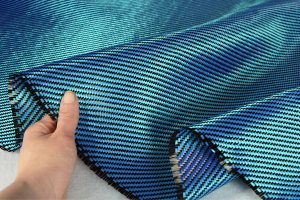
Yes, there are several limitations to carbon fiber’s bulletproof capabilities when used as a standalone material. These limitations arise due to its mechanical properties and the way it interacts with high-velocity projectiles. Some of the key limitations include:
- Brittleness: Carbon fiber can be relatively brittle, especially compared to materials like Kevlar or flexible synthetic fibers. When a high-velocity bullet impacts a rigid material like carbon fiber, there is a risk of the material fracturing or shattering upon impact, potentially allowing the bullet to penetrate.
- Energy Absorption: Carbon fiber is not as effective as materials like Kevlar in absorbing and dissipating the energy of a bullet impact. Kevlar, with its ability to stretch and deform under pressure, is better suited for absorbing the kinetic energy of bullets.
- Penetration Risk: Carbon fiber alone might not be sufficient to stop certain high-velocity bullets or armor-piercing rounds, especially those with hardened cores designed to penetrate barriers. The combination of carbon fiber with other materials like ceramic or metal plates can improve its ability to withstand these threats.
- Layering Requirements: Achieving effective bulletproof capabilities with carbon fiber might require multiple layers or specific layering arrangements to increase its stopping power. This can lead to increased weight and bulkiness.
- Specific Designs Needed: Carbon fiber’s limitations in bulletproof applications often mean that it needs to be used in conjunction with other materials in a specific design to create effective ballistic protection. The design considerations can be complex and require testing and optimization.
- Projectile Variety: Carbon fiber’s effectiveness against different types of bullets can vary greatly based on factors such as bullet caliber, velocity, and design. Its performance might not be consistent across a wide range of threats.
- Testing and Certification: Bulletproof materials, including those that incorporate carbon fiber, need to undergo rigorous testing and certification processes to ensure they meet specific protection standards. Carbon fiber might not always meet these standards on its own and may require reinforcement from other materials.
To address these limitations, carbon fiber is often used as a component within composite armor systems. These systems combine the strengths of different materials to create effective protection against a range of threats.
Carbon fiber can provide structural integrity and reinforcement to such systems while being complemented by materials like Kevlar, ceramic, or metal plates that offer better energy absorption and bullet-stopping capabilities.
Is carbon fiber bulletproofing suitable for civilian use?
Carbon fiber, on its own, is not typically used as the primary material for civilian bulletproofing due to its limitations in providing effective ballistic protection against high-velocity projectiles. However, carbon fiber can play a role as a component within composite materials used for civilian bulletproofing applications.
In civilian contexts, such as personal protection or security measures, effective bulletproofing often involves the use of composite materials that combine various layers of synthetic fibers, ceramics, metals, and other specialized materials to create the desired level of protection. Carbon fiber can be incorporated into these composites to provide structural reinforcement and lightweight properties.
Some examples of civilian applications where carbon fiber may be used as part of a composite bulletproofing system include:
- Bulletproof Clothing: Carbon fiber may be used in the construction of clothing, such as jackets or backpacks, that incorporate bullet-resistant panels. These panels would likely be a composite of multiple materials, including flexible synthetic fibers for energy absorption.
- Vehicle Armor: Carbon fiber may be used as part of composite armor for vehicles, providing lightweight reinforcement to protect against specific threats while maintaining vehicle performance.
- Personal Protective Equipment: In certain high-risk professions, carbon fiber might be integrated into specialized protective gear, such as helmets, shields, or body armor, as part of a comprehensive composite system.
- Safe Rooms and Panic Rooms: Carbon fiber could be used in the construction of safe rooms or panic rooms in homes or businesses. These rooms could incorporate composite materials to provide protection against potential threats.
- Lightweight Barriers: Carbon fiber could be part of lightweight barriers or shields used in security or law enforcement scenarios.
It’s important to note that any civilian bulletproofing applications should adhere to legal regulations and standards to ensure that the products are effective and safe. When considering bulletproofing solutions, it’s advisable to consult with professionals who specialize in security and ballistic protection to determine the appropriate materials and design for your specific needs.
Conclusion
This page answers the question on the keyword is carbon fiber bulletproof. Carbon fiber, while strong and lightweight, is not inherently bulletproof due to its brittleness and limited energy absorption capabilities. Its effectiveness in stopping bullets is hindered by its rigid nature and the risk of fracturing upon impact.
However, carbon fiber can contribute to bulletproofing when used as part of composite materials that combine its structural properties with other materials like Kevlar, ceramics, or metals to create effective ballistic protection. In such composite systems, carbon fiber reinforces the structure while other materials absorb energy and stop projectiles.