
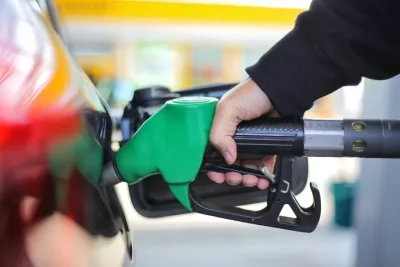
Gasoline, a widely-used fuel in various combustion engines, is a critical component of modern transportation and power generation. When we think of gasoline, we often associate it with its flammability, but have you ever wondered how hot does gasoline burn?
In ideal conditions, gasoline burns at a maximum flame temperature of approximately 495 to 540 degrees Celsius (923 to 1004 degrees Fahrenheit).
So, understanding the temperature at which gasoline ignites and burns can provide valuable insights into the efficiency and safety of engines and equipment. In this article, we will delve into the fascinating world of combustion and delve into the factors that influence the temperature at which gasoline ignites and releases its energy, powering the vehicles and machines that drive our world forward.
What is the burning temperature of gasoline?
The burning temperature of gasoline, also known as the autoignition temperature, is typically around 495 to 536 degrees Fahrenheit (257 to 280 degrees Celsius). This means that gasoline can spontaneously ignite and burn when exposed to temperatures within this range without the need for an external ignition source, such as a spark or flame.
It’s important to handle gasoline with extreme care, as its vapors are highly flammable and can lead to dangerous fires and explosions if proper safety precautions are not taken. Always store and handle gasoline in approved containers and keep it away from open flames, sparks, and sources of heat.
How hot does gasoline burn in open air?
The temperature at which gasoline burns in open air can vary depending on several factors, such as the specific formulation of the gasoline, the concentration of vapor in the air, and the presence of other combustible materials. However, gasoline generally burns in the range of 495 to 536 degrees Fahrenheit (257 to 280 degrees Celsius) when exposed to an open flame or spark.
When gasoline ignites in open air, it releases flammable vapors that mix with the oxygen in the atmosphere. If the concentration of gasoline vapor and oxygen is within the flammable range, an open flame or spark can ignite the mixture, leading to combustion. The resulting flames can reach temperatures of up to several thousand degrees Fahrenheit, depending on the conditions and the amount of fuel involved.
It’s essential to be cautious with gasoline and always handle it in a safe manner, keeping it away from potential ignition sources and ensuring proper ventilation when dealing with fuel in enclosed spaces.
Does gasoline’s burning temperature vary with conditions?
Yes, the burning temperature of gasoline can vary with different conditions. Several factors can influence the ignition and combustion of gasoline, leading to variations in burning temperature. Some of these factors include:
- Air-Fuel Mixture: The burning temperature of gasoline depends on the ratio of gasoline vapor to oxygen in the air. The most flammable mixture occurs when there is an optimal proportion of gasoline vapor and oxygen, known as the stoichiometric ratio. If the mixture has too much gasoline or too little oxygen, it may not ignite or burn as efficiently.
- Atmospheric Conditions: Temperature, pressure, and humidity in the surrounding environment can affect the burning temperature of gasoline. Higher temperatures and lower air pressure can promote faster vaporization and easier ignition.
- Contaminants: The presence of contaminants or impurities in gasoline can influence its combustion behavior. Impurities might affect the vaporization process or the overall reactivity of the fuel, altering the burning temperature.
- Presence of Ignition Sources: The presence of ignition sources, such as sparks or open flames, can cause gasoline to ignite at lower temperatures.
- Vapor Concentration: The concentration of gasoline vapors in the air affects its flammability. If the vapor concentration is outside the flammable range, it may not ignite.
- Vapor Pressure: Gasoline’s vapor pressure varies with temperature. Higher vapor pressure at higher temperatures can result in easier ignition and combustion.
Overall, gasoline’s burning temperature is not a fixed value and can be influenced by a combination of these conditions. It is crucial to handle gasoline with caution and ensure proper safety measures are in place to prevent accidents and fires.
What factors influence the temperature of gasoline combustion?
The temperature of gasoline combustion is influenced by several factors, which can affect the efficiency and characteristics of the burning process. Some of the key factors include:
- Air-Fuel Ratio: The air-fuel ratio, which represents the proportion of gasoline vapor to oxygen in the combustion mixture, plays a critical role in determining the burning temperature. The stoichiometric air-fuel ratio, where all the fuel is completely burned, results in the highest temperature during combustion. Deviations from this ratio can lead to incomplete combustion and different burning temperatures.
- Vaporization: The ability of gasoline to vaporize and form a combustible mixture with air is essential for efficient combustion. Vaporization depends on factors such as ambient temperature, fuel properties, and fuel delivery mechanisms in the engine.
- Compression Ratio: In internal combustion engines, the compression ratio affects the temperature and pressure of the air-fuel mixture before ignition. Higher compression ratios can lead to higher burning temperatures and improved engine efficiency.
- Ignition Timing: The timing of the ignition spark (in spark-ignition engines) or the start of fuel injection (in diesel engines) impacts the combustion process. Proper ignition timing ensures optimal burning temperature and engine performance.
- Octane Rating: Gasoline’s octane rating indicates its resistance to knocking, which is the premature and uncontrolled combustion of the fuel-air mixture. Higher octane fuels can withstand higher compression ratios and temperatures without knocking.
- Ambient Conditions: The ambient temperature and pressure can influence the combustion process, affecting the density and oxygen content of the intake air and thus influencing the burning temperature.
- Engine Design: The design of the engine, including factors like cylinder size, shape, and cooling system, can impact combustion efficiency and temperature.
- Fuel Additives and Contaminants: Certain fuel additives or contaminants in gasoline can alter its combustion characteristics, potentially affecting the burning temperature.
- Turbulence: Introducing controlled turbulence in the combustion chamber can enhance mixing of air and fuel, leading to more efficient and higher-temperature combustion.
- Exhaust Gas Recirculation (EGR): EGR systems recirculate a portion of exhaust gas back into the engine to reduce nitrogen oxide emissions. This can lower the combustion temperature by reducing the availability of oxygen in the air-fuel mixture.
Each of these factors can affect gasoline combustion differently, and optimizing them is crucial to achieve efficient and safe operation in various applications, such as internal combustion engines and industrial burners.
Can the burning temperature be controlled in engines?
Yes, the burning temperature in engines can be controlled and optimized to achieve better performance, fuel efficiency, and emission characteristics. Engine designers and engineers employ various techniques to manage the combustion process and regulate the burning temperature.
Some of the methods used to control the burning temperature in engines include:
- Air-Fuel Ratio Control: By adjusting the air-fuel ratio (the ratio of air to fuel) supplied to the engine’s combustion chamber, the burning temperature can be regulated. A lean air-fuel mixture (more air, less fuel) tends to result in lower burning temperatures, while a richer mixture (more fuel, less air) can lead to higher temperatures.
- Ignition Timing: The timing of the ignition spark (in spark-ignition engines) or the start of fuel injection (in diesel engines) can influence the burning temperature. Advancing or retarding the ignition timing can impact the combustion process and temperature.
- Compression Ratio: The compression ratio is the ratio of the volume in the cylinder when the piston is at its lowest point to the volume when it’s at its highest point. Higher compression ratios lead to higher burning temperatures, while lower compression ratios reduce the temperature.
- Engine Cooling System: The cooling system in an engine can help manage the temperature by regulating the amount of heat dissipated from the combustion process. Effective cooling helps prevent overheating and damage to engine components.
- Fuel Properties: Using fuels with different properties, such as different octane or cetane ratings, can affect the combustion characteristics and burning temperature. Higher-octane gasoline or fuels with better ignition characteristics can be used to control knocking and temperature.
- Exhaust Gas Recirculation (EGR): EGR systems recirculate a portion of exhaust gases back into the engine’s intake air, reducing the oxygen content in the combustion chamber. This lowers the burning temperature and helps control nitrogen oxide emissions.
- Turbocharging and Supercharging: Forced induction techniques like turbocharging and supercharging can increase the air density in the combustion chamber, allowing more air to be mixed with the fuel. This can lead to more efficient combustion and temperature control.
- Variable Valve Timing (VVT) and Variable Valve Lift (VVL): VVT and VVL technologies allow for variable control of valve timing and lift, enabling better control over the air intake and exhaust processes, which can affect the combustion process and temperature.
- Direct Injection: Direct injection systems can provide precise fuel delivery, improving combustion efficiency and temperature control.
By employing these and other techniques, engine designers and manufacturers can tailor the combustion process to achieve optimal performance, fuel efficiency, and emission levels while controlling the burning temperature within safe and efficient limits.
Is the burning temperature of gasoline consistent?
The burning temperature of gasoline can vary depending on different factors, making it not entirely consistent in all situations. Several variables can influence the burning temperature, leading to variations in different scenarios. Some of the factors that can affect the burning temperature of gasoline include:
- Air-Fuel Mixture: The ratio of gasoline vapor to oxygen in the air, known as the air-fuel mixture, can impact the burning temperature. Different air-fuel ratios can result in different combustion temperatures.
- Vapor Concentration: The concentration of gasoline vapors in the air can affect the burning temperature. If the vapor concentration is outside the flammable range, it may not ignite or burn as effectively.
- Fuel Composition: Gasoline is a complex mixture of hydrocarbons and additives, and the precise composition can vary depending on the region and supplier. Different gasoline formulations can have slightly different combustion characteristics and burning temperatures.
- Octane Rating: The octane rating of gasoline indicates its resistance to knocking, and higher-octane fuels can have slightly different combustion properties and burning temperatures.
- Environmental Conditions: The ambient temperature, humidity, and pressure can influence the vaporization and combustion behavior of gasoline, leading to variations in burning temperature.
- Engine Conditions: The design and operating conditions of the engine can influence combustion behavior, and factors such as compression ratio, ignition timing, and cooling system can impact the burning temperature.
- Contaminants: Contaminants or impurities in gasoline, whether from storage or handling, can affect combustion behavior and burning temperature.
- Ignition Source: The presence and characteristics of the ignition source, such as spark plugs in spark-ignition engines, can also affect the combustion process and temperature.
Given these variables, the burning temperature of gasoline is not a fixed value and can vary depending on the specific conditions in which the combustion occurs.
However, there is a range of temperatures within which gasoline will ignite and burn in the presence of an ignition source, typically between 495 to 536 degrees Fahrenheit (257 to 280 degrees Celsius). It’s essential to handle gasoline with care and follow proper safety guidelines to avoid accidents and fires resulting from its flammability.
How does gasoline’s temperature compare to other fuels?
The burning temperatures of various fuels can vary depending on their chemical composition and combustion characteristics. Here’s a general comparison of the burning temperatures of gasoline with some other common fuels:
- Gasoline: The burning temperature of gasoline typically ranges from 495 to 536 degrees Fahrenheit (257 to 280 degrees Celsius).
- Diesel: Diesel fuel has a higher autoignition temperature compared to gasoline. Its burning temperature usually ranges from 493 to 536 degrees Fahrenheit (256 to 280 degrees Celsius).
- Natural Gas: Natural gas, which primarily consists of methane, has a higher autoignition temperature than gasoline. Its burning temperature typically ranges from 1,076 to 1,202 degrees Fahrenheit (580 to 650 degrees Celsius).
- Propane: Propane, a common liquefied petroleum gas (LPG), has a lower autoignition temperature than gasoline. Its burning temperature usually ranges from 920 to 1,120 degrees Fahrenheit (493 to 604 degrees Celsius).
- Ethanol: Ethanol, a biofuel often blended with gasoline, has a lower autoignition temperature than gasoline. Its burning temperature usually ranges from 689 to 793 degrees Fahrenheit (365 to 423 degrees Celsius).
- Methanol: Methanol, another type of alcohol fuel, has a relatively low autoignition temperature. Its burning temperature typically ranges from 984 to 1,088 degrees Fahrenheit (529 to 587 degrees Celsius).
- Hydrogen: Hydrogen gas has a very low autoignition temperature, making it highly flammable. Its burning temperature typically ranges from 968 to 1,076 degrees Fahrenheit (520 to 580 degrees Celsius).
It’s important to note that these temperatures are approximate ranges, and actual values can vary depending on specific fuel compositions, engine conditions, and environmental factors.
The autoignition temperature indicates the point at which a fuel-air mixture will spontaneously ignite without the need for an external ignition source, such as a spark or flame. Proper handling, storage, and usage of fuels are essential to prevent accidents and ensure safety.
What safety precautions are necessary when dealing with gasoline fires?
Dealing with gasoline fires requires utmost caution due to the high flammability of gasoline and the potential for rapid spread and intense heat. If you find yourself faced with a gasoline fire, follow these essential safety precautions:
- Immediate Evacuation: If the fire is too large to handle safely or is spreading quickly, evacuate the area immediately and call emergency services (fire department) for professional assistance.
- Alert Others: If you are in a public space or building, activate the fire alarm and alert others to evacuate.
- Do Not Use Water: Never use water to extinguish a gasoline fire. Water will not extinguish a gasoline fire and can cause the fuel to spread further.
- Extinguish Small Fires with Fire Extinguisher: If the fire is small and manageable, use a Class B fire extinguisher specifically designed for flammable liquid fires. Aim at the base of the flames and sweep back and forth until the fire is out.
- Smother the Fire: If a fire extinguisher is not available or the fire is small enough, you can try to smother the flames with a heavy, non-flammable material like a fire blanket, sand, or dirt.
- Avoid Breathing Smoke: Keep your face away from the smoke to avoid inhalation of toxic fumes.
- Turn Off Ignition Sources: If it can be done safely, turn off the source of ignition that may have caused the fire, such as engines, stoves, or other heating elements.
- Do Not Spread the Fire: Avoid actions that might spread the fire, such as fanning the flames or using compressed air to blow on the fire.
- No Smoking: Do not smoke near the fire or in the vicinity of spilled gasoline.
- Maintain Safe Distance: Keep a safe distance from the fire to avoid burns or injuries.
- Wear Protective Clothing: If possible, wear fire-resistant clothing to protect yourself from heat and flames.
- Call for Help: Call emergency services (fire department) even if you believe you’ve extinguished the fire to ensure a thorough check and to avoid re-ignition.
Remember, your safety is the top priority when dealing with any fire situation. If you are uncertain about how to handle a gasoline fire or if it is beyond your ability to control, leave the area immediately and let the professionals handle the situation. Always take preventative measures to store and handle gasoline safely to minimize the risk of fires and accidents.
Can the temperature of gasoline combustion cause explosions?
Yes, gasoline combustion can cause explosions under certain conditions. Gasoline is a highly flammable liquid, and when it vaporizes and mixes with air in the right proportions, it can create a combustible mixture. When this mixture encounters an ignition source with sufficient energy, such as a spark, flame, or heat, it can rapidly undergo combustion, leading to an explosion.
Explosions occur when the combustion reaction propagates very rapidly through the mixture, releasing an enormous amount of energy in a short period. This rapid release of energy causes a sudden increase in pressure and temperature, resulting in an explosive event.
The risk of gasoline explosions is why it is essential to handle gasoline with care and follow safety guidelines when refueling vehicles or working with gasoline in any capacity. Gasoline should only be stored and handled in approved containers and in well-ventilated areas away from any potential ignition sources.
In everyday situations, such as in a car engine, gasoline combustion is controlled and occurs in a controlled environment within the engine’s cylinders. However, under certain circumstances, like in a confined space with a high concentration of gasoline vapors and an ignition source nearby, an explosion could occur. That’s why safety precautions are critical when dealing with gasoline and other flammable materials.
Recommended:
- How to keep a fire going
- Is mineral oil flammable?
- Is paint thinner flammable?
- Is vaseline flammable?
- Is cotton flammable?
Conclusion
You can learn a lot about how hot does gasoline burn on this page. Gasoline burns at a temperature of approximately 495 to 536 degrees Fahrenheit (257 to 280 degrees Celsius).