
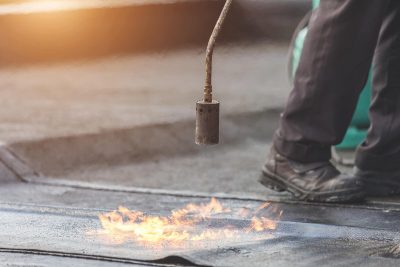
MAPP gas, a specialized fuel widely used in various industrial and domestic applications, has gained a reputation for its impressive heat output and versatility. Composed of a mixture of methylacetylene and propadiene, MAPP gas is a popular choice for welding, brazing, soldering, and other high-temperature tasks.
In this article, we will explore the fascinating world of MAPP gas and delve into the question that sparks curiosity among professionals and DIY enthusiasts alike: How hot does MAPP gas burn? Unraveling the precise temperature at which this remarkable gas ignites offers valuable insights into its practical applications and safety considerations.
Therefore, making it an essential aspect to understand for those venturing into the realm of intense heat operations. Let’s embark on this informative journey to discover the scorching potential of MAPP gas.
MAPP Gas and its Combustion Properties
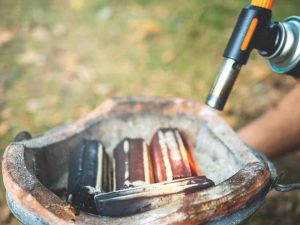
MAPP gas, short for “Methylacetylene-Propadiene Propane” gas, is a specialized type of fuel gas commonly used in metalworking, brazing, soldering, and heating applications. It is a mixture of hydrocarbons, primarily consisting of propyne (methylacetylene), propadiene (allene), and propane.
MAPP gas is known for its high energy content and relatively stable combustion characteristics, making it a preferred choice in certain industrial and DIY tasks.
Combustion Properties of MAPP Gas:
- High Temperature: MAPP gas burns at a higher temperature compared to other common fuel gases like propane and acetylene. This high flame temperature allows it to heat materials more quickly, making it suitable for tasks requiring intense heat.
- Complete Combustion: MAPP gas exhibits relatively complete combustion, producing a clean and efficient flame. This property is crucial for applications like brazing and soldering, where precise control of the flame is essential.
- Blue Flame: The combustion flame of MAPP gas is typically blue in color, indicating that it burns with a well-controlled and stable flame.
- Low Carbon Residue: MAPP gas generates minimal soot and carbon residue during combustion, reducing the need for post-process cleaning and ensuring cleaner results.
- Improved Heat Transfer: Due to its higher energy content and efficient combustion, MAPP gas offers better heat transfer during brazing and soldering processes.
It’s important to note that while MAPP gas has advantages over other fuel gases in specific applications, it also has certain safety considerations. As with any flammable gas, proper handling, storage, and usage precautions should be followed to prevent accidents and ensure worker safety.
The High Temperature Range of MAPP Gas Burning
MAPP gas is a mixture of methylacetylene and propadiene (MAPD) with some other additives. MAPP gas was commonly used as a fuel for welding, brazing, and soldering due to its high flame temperature. However, since then, MAPP gas production and distribution have been significantly reduced, and it might be challenging to find reliable information on it.
The flame temperature of MAPP gas can vary depending on the specific formulation and the conditions under which it is burned. Generally, the flame temperature can reach up to around 3,600°F (1,982°C) in ideal conditions, making it hotter than propane and butane.
It’s essential to note that MAPP gas is no longer widely available, and many professionals and DIY enthusiasts have switched to other alternative fuels for their applications. Propane and propylene are common substitutes that offer relatively high flame temperatures and are more readily accessible.
If you are looking for a specific gas to use for a particular application, I recommend consulting with experts in the field or contacting gas suppliers to find the most suitable and safe option available at the time.
Factors Influencing MAPP Gas Burning Temperature
The burning temperature of MAPP gas can be influenced by several factors. As mentioned earlier, MAPP gas is a mixture of methylacetylene and propadiene with some other additives, and the burning temperature can vary depending on these factors:
- Gas Composition: The precise composition of the MAPP gas mixture, including the ratio of methylacetylene to propadiene and the type and amount of additives, can affect the flame temperature. Different formulations of MAPP gas might have different burning characteristics.
- Oxygen Supply: The availability of oxygen or air during the combustion process can significantly impact the flame temperature. Combustion requires oxygen to support the chemical reaction, and an adequate oxygen supply can lead to a hotter flame.
- Gas Pressure: The pressure at which the MAPP gas is supplied can affect the flame temperature. Higher pressure can result in a more intense flame and higher temperatures.
- Burner Design: The type and design of the burner used can influence the efficiency of combustion and, consequently, the flame temperature. An optimized burner design can lead to better mixing of fuel and oxygen, resulting in a higher burning temperature.
- Environmental Conditions: Environmental factors, such as ambient temperature and altitude, can also impact the burning temperature. Higher altitudes and colder temperatures may reduce the flame temperature due to differences in oxygen availability and combustion efficiency.
- Combustion Efficiency: The efficiency of the combustion process itself plays a role in determining the burning temperature. Complete combustion with sufficient oxygen supply leads to higher temperatures compared to incomplete combustion.
- Gas Purity: The purity of the MAPP gas can affect the burning temperature. Impurities in the gas might interfere with the combustion process and reduce the flame temperature.
It’s important to note that MAPP gas is no longer as widely available as it used to be, and its usage has decreased over time. Many professionals and hobbyists have transitioned to alternative fuels such as propane and propylene for their applications.
If you are looking for a specific gas for a particular application, it’s recommended to consult with experts in the field or gas suppliers to find the most suitable and safe option available.
Understanding MAPP Gas Flame Temperature
MAPP gas (Methyl Acetylene-Propadiene Propane) was known for producing a high flame temperature compared to other commonly used fuel gases such as propane and butane. The flame temperature of MAPP gas can reach up to approximately 3,600°F (1,982°C) under ideal conditions.
The high flame temperature of MAPP gas makes it suitable for various applications that require intense heat, such as welding, brazing, soldering, and cutting metals. The elevated temperature allows for faster and more efficient work in these processes.
However, it’s important to emphasize that MAPP gas has become less common in recent years due to environmental concerns and changes in gas production and distribution. The production of true MAPP gas has been discontinued, and the product now sold as “MAPP gas” is generally a different formulation with lower flame temperatures compared to the original MAPP gas.
As an alternative, many professionals and DIY enthusiasts have transitioned to other fuel gases such as propane or propylene, which can still provide relatively high flame temperatures and are more widely available.
If you are considering using any fuel gas for a specific application, I recommend checking with gas suppliers or experts in the field to determine the most suitable and safe option available at the time of your inquiry.
Comparing MAPP Gas Burning Temperature to Other Fuels
here’s a comparison of the burning temperatures of MAPP gas and some other commonly used fuel gases:
MAPP Gas (Methyl Acetylene-Propadiene Propane):
-
- Flame Temperature: Up to approximately 3,600°F (1,982°C).
Propane:
-
- Flame Temperature: Up to approximately 3,600°F (1,982°C).
Propylene:
-
- Flame Temperature: Up to approximately 3,600°F (1,982°C).
Acetylene:
-
- Flame Temperature: Up to approximately 5,580°F (3,080°C).
Butane:
-
- Flame Temperature: Up to approximately 3,570°F (1,970°C).
Natural Gas (Methane):
-
- Flame Temperature: Up to approximately 3,600°F (1,982°C).
It’s important to note that the flame temperature of any fuel gas can vary depending on various factors, such as the gas mixture, oxygen supply, gas pressure, and burner design. The values provided above are approximate and represent the maximum flame temperatures that can be achieved under ideal conditions.
As mentioned earlier, MAPP gas has become less common and is no longer widely produced as it used to be. The values above for MAPP gas are based on historical data and might not reflect the current situation, as the available formulations in the market may vary.
When choosing a fuel gas for a specific application, it’s crucial to consider not only the flame temperature but also other factors such as availability, safety, cost, and environmental impact. Consulting with experts or gas suppliers can help you select the most suitable fuel gas for your particular needs.
The Importance of MAPP Gas in High-Heat Applications
MAPP gas (Methyl Acetylene-Propadiene Propane) has been historically important in high-heat applications due to its unique properties, particularly its high flame temperature and stability.
Here are some key reasons why MAPP gas was valued for high-heat applications:
- High Flame Temperature: MAPP gas has a higher flame temperature compared to many other commonly used fuel gases, including propane and butane. This high flame temperature, which can reach up to approximately 3,600°F (1,982°C), made it suitable for applications that require intense heat, such as welding, brazing, soldering, and metal cutting.
- Efficient Heat Transfer: The high flame temperature of MAPP gas allowed for faster and more efficient heat transfer to the workpiece, reducing the time required to complete high-temperature tasks. This efficiency was particularly advantageous in industrial processes where productivity and speed were crucial.
- Stability and Controlled Combustion: MAPP gas burned with relatively stable and controlled combustion, which was essential in precise applications like brazing and soldering. The controlled flame allowed for better control over the heating process and minimized the risk of damaging delicate materials.
- Versatility: MAPP gas was used in a variety of high-heat applications, making it a versatile choice for professionals in industries like metalworking, plumbing, HVAC, and jewelry-making. Its ability to handle different tasks at elevated temperatures made it a valuable tool in many trades.
- Accessibility: MAPP gas was widely available for purchase, making it convenient for professionals and DIY enthusiasts to obtain for their projects.
However, it’s important to note that the availability and use of MAPP gas have decreased in recent years. The production of true MAPP gas has been discontinued due to environmental concerns and changes in gas production processes. The MAPP gas sold today under the same name is generally a different formulation with lower flame temperatures than the original MAPP gas.
As a result, many professionals and hobbyists have transitioned to other fuel gases, such as propane or propylene, which can still provide relatively high flame temperatures and are more readily available.
When considering a fuel gas for high-heat applications, it’s essential to consider the specific requirements of the task, safety considerations, and the availability of suitable alternatives. Always follow safety guidelines and best practices when working with any fuel gas to ensure safe and efficient operations.
MAPP Gas Combustion Efficiency and Heat Output
Here’s why MAPP gas was favored for its combustion efficiency and heat output:
- Combustion Efficiency: MAPP gas is a carefully formulated mixture of gases, including methylacetylene and propadiene, with some other additives. The precise formulation was designed to promote efficient and controlled combustion. When burned with an adequate supply of oxygen, MAPP gas underwent complete combustion, resulting in minimal production of soot or carbon deposits. This complete combustion contributed to the efficient release of heat energy during the combustion process.
- High Heat Output: MAPP gas had a higher heat output compared to many other fuel gases like propane and butane. This higher heat output was a result of its unique mixture and combustion properties. The higher flame temperature of MAPP gas allowed for faster and more intense heating, making it suitable for applications that required high heat, such as welding, brazing, and soldering.
- Stability: MAPP gas exhibited good flame stability during combustion. The controlled and stable flame allowed for precise control of the heat source, which was particularly important in tasks where accuracy and consistency were essential, such as brazing and soldering.
- Clean Burning: MAPP gas burned relatively cleanly, with lower levels of impurities and by-products compared to some other fuel gases. The clean burning characteristics minimized the formation of harmful emissions and reduced the risk of contaminating the workpiece or the surrounding environment.
However, it’s essential to mention that the availability of true MAPP gas has decreased significantly since my last update, and the product sold as “MAPP gas” might not be the original formulation. Many manufacturers have replaced MAPP gas with alternative fuel gases, such as propylene, which can still provide high heat output and good combustion efficiency.
When considering a fuel gas for any application, it’s crucial to check the specifications and properties of the gas, consult with experts, and follow safety guidelines and best practices to ensure safe and efficient operations. Always use the appropriate fuel gas for the intended application and equipment to achieve the desired results.
Safety Considerations in MAPP Gas Combustion
MAPP gas (Methyl Acetylene Propadiene Propane) is a popular fuel used in various industrial and DIY applications, including welding, soldering, brazing, and heating. While it is a convenient and efficient fuel, it is essential to follow safety guidelines to prevent accidents and ensure safe combustion.
Here are some safety considerations when working with MAPP gas:
- Ventilation: Always work in a well-ventilated area to prevent the accumulation of potentially hazardous gases. Adequate ventilation helps dissipate any fumes or gases that may be produced during combustion.
- Storage and Handling: Store MAPP gas cylinders in an upright position and in a secure location away from flammable materials and sources of heat. Use appropriate cylinder carts or holders for transportation. Never drop, drag, or subject the cylinders to mechanical shock.
- Fire Safety: Keep fire extinguishing equipment (e.g., fire extinguishers, sand, or water) nearby and ensure everyone involved in the work knows how to use them effectively. Always have a fire watch person to monitor the area during and after work.
- Protective Equipment: Wear appropriate personal protective equipment (PPE) like safety glasses, gloves, and flame-resistant clothing to protect against potential burns, sparks, and hot surfaces.
- Check for Leaks: Before using the gas, inspect the equipment and hoses for any signs of damage or leaks. Apply a soap and water solution to connections and joints to check for bubbles, indicating gas leaks. If a leak is detected, shut off the gas supply immediately and repair or replace the faulty parts.
- Ignition Sources: Keep all ignition sources, such as open flames, sparks, and hot surfaces, away from the gas cylinder and the work area during setup, use, and storage.
- No Smoking: Smoking should be strictly prohibited in the area where MAPP gas is stored or used.
- Distance from Flammable Materials: Maintain a safe distance from flammable materials, gases, and liquids to avoid potential ignition or explosions.
- Work Area Inspection: Ensure the work area is free from combustible debris, oil, and grease. These materials can ignite or fuel fires, leading to accidents.
- Shut Down Properly: After finishing work, close the gas supply valve and allow the gas in the hoses to burn off before turning off the torch. This helps prevent flashbacks or explosions when relighting the torch in the future.
- Emergency Plan: Have an emergency plan in place, including evacuation procedures and contact information for emergency services.
- Training: Ensure that anyone handling MAPP gas and associated equipment is properly trained in its safe use, handling, and storage.
By adhering to these safety considerations, you can minimize the risks associated with MAPP gas combustion and create a safer working environment. Remember to always follow the manufacturer’s instructions and safety guidelines for the specific equipment you are using.
MAPP Gas Flame Temperature Measurements
Measuring the exact flame temperature of MAPP gas can be challenging due to the intense heat and the risk of damaging temperature measurement instruments. However, there are several methods used to estimate flame temperatures:
Color:
-
- The color of the flame can give an approximate indication of its temperature. Blue flames are typically hotter than yellow or orange flames. MAPP gas flames are known for their intense blue color.
Pyrometers:
-
- Infrared pyrometers are non-contact temperature measurement devices that can be used to estimate flame temperatures from a safe distance. They detect the thermal radiation emitted by the flame and convert it into temperature readings. Specialized high-temperature pyrometers are needed to measure the extremely high temperatures of MAPP gas flames.
Thermocouples and Thermocouple Probes:
-
- Thermocouples are temperature sensors that can be inserted into the flame to directly measure its temperature. However, thermocouples may have limitations due to their susceptibility to damage from the high heat of the flame.
Spectroscopy:
-
- Spectroscopic analysis involves using a spectrometer to measure the spectrum of light emitted by the flame. From this data, the temperature can be estimated based on the intensity of specific emission lines.
Calorimetry:
-
- Calorimetry involves measuring the heat released by the flame and using that data to estimate the flame temperature indirectly.
It is crucial to note that measuring flame temperatures in high-temperature applications like MAPP gas combustion can be hazardous. Extreme caution should be exercised, and appropriate safety measures should be followed.
If precise temperature measurements are required for a specific application, it is best to consult with experts in the field or rely on specialized equipment designed for such high-temperature measurements. Always prioritize safety and follow manufacturer guidelines and best practices when working with MAPP gas and any other high-temperature processes.
MAPP Gas and its Environmental Impact
MAPP gas (Methyl Acetylene Propadiene Propane) is a hydrocarbon-based fuel composed of several gases, including propylene and propane. Its environmental impact is a subject of concern due to its potential contributions to air pollution and climate change.
Here are some key environmental considerations related to MAPP gas:
- Greenhouse Gas Emissions: When MAPP gas is burned, it releases carbon dioxide (CO2) and other greenhouse gases into the atmosphere. These gases trap heat and contribute to global warming and climate change.
- Air Pollution: Incomplete combustion of MAPP gas can produce pollutants such as carbon monoxide (CO), nitrogen oxides (NOx), and volatile organic compounds (VOCs). These pollutants can have adverse effects on air quality and human health. NOx, for instance, contributes to the formation of ground-level ozone and smog.
- Resource Depletion: MAPP gas is derived from fossil fuels, which are finite resources. The extraction, production, and transportation of these fuels can have environmental impacts, including habitat destruction, water pollution, and greenhouse gas emissions.
- Ozone Depletion: MAPP gas does not contain chlorofluorocarbons (CFCs) or other ozone-depleting substances. However, some of the pollutants released during its combustion can indirectly contribute to ozone depletion.
- Waste Generation: The use of MAPP gas can generate waste in the form of empty gas cylinders and other disposable materials, which require proper disposal or recycling to minimize their impact on the environment.
- Alternatives and Mitigation: There are alternative fuels and technologies available that have a lower environmental impact than MAPP gas. For example, some applications can use natural gas, which produces fewer emissions than MAPP gas. Additionally, advancements in renewable energy and electric-powered equipment are promising alternatives for reducing the environmental impact of various industrial processes.
To mitigate the environmental impact of MAPP gas, the following steps can be taken:
- Improve combustion efficiency to minimize the release of pollutants.
- Implement proper waste management and recycling programs for gas cylinders and other waste materials.
- Encourage the adoption of cleaner and more sustainable fuel alternatives in industrial applications.
- Invest in research and development to improve the efficiency and environmental performance of combustion processes.
Ultimately, transitioning to cleaner and more sustainable energy sources and technologies is crucial for reducing the environmental impact of MAPP gas and other fossil fuel-based fuels. Governments, industries, and individuals must work together to promote environmentally responsible practices and support the development of cleaner and greener technologies.
Recommended:
- How hot does propane burn?
- Fire safety for kids
- How hot is blue fire?
- Can you burn wood in a gas fireplace?
Conclusion
This page covers all you need to know about how hot does mapp gas burn. MAPP gas burns at extremely high temperatures, reaching up to around 5,600 degrees Fahrenheit (3,093 degrees Celsius) in ideal conditions.
Its intense heat makes it suitable for various industrial applications, including welding, cutting, brazing, and heating. However, it is essential to handle MAPP gas with caution due to its potential hazards and environmental impact. Safety measures should always be followed, and consideration given to alternative, more environmentally friendly fuel options when possible.